Aegyo's appeal and extensive use as a vehicle for varied expressions are responsible for its long-lasting influence in Korea and beyond
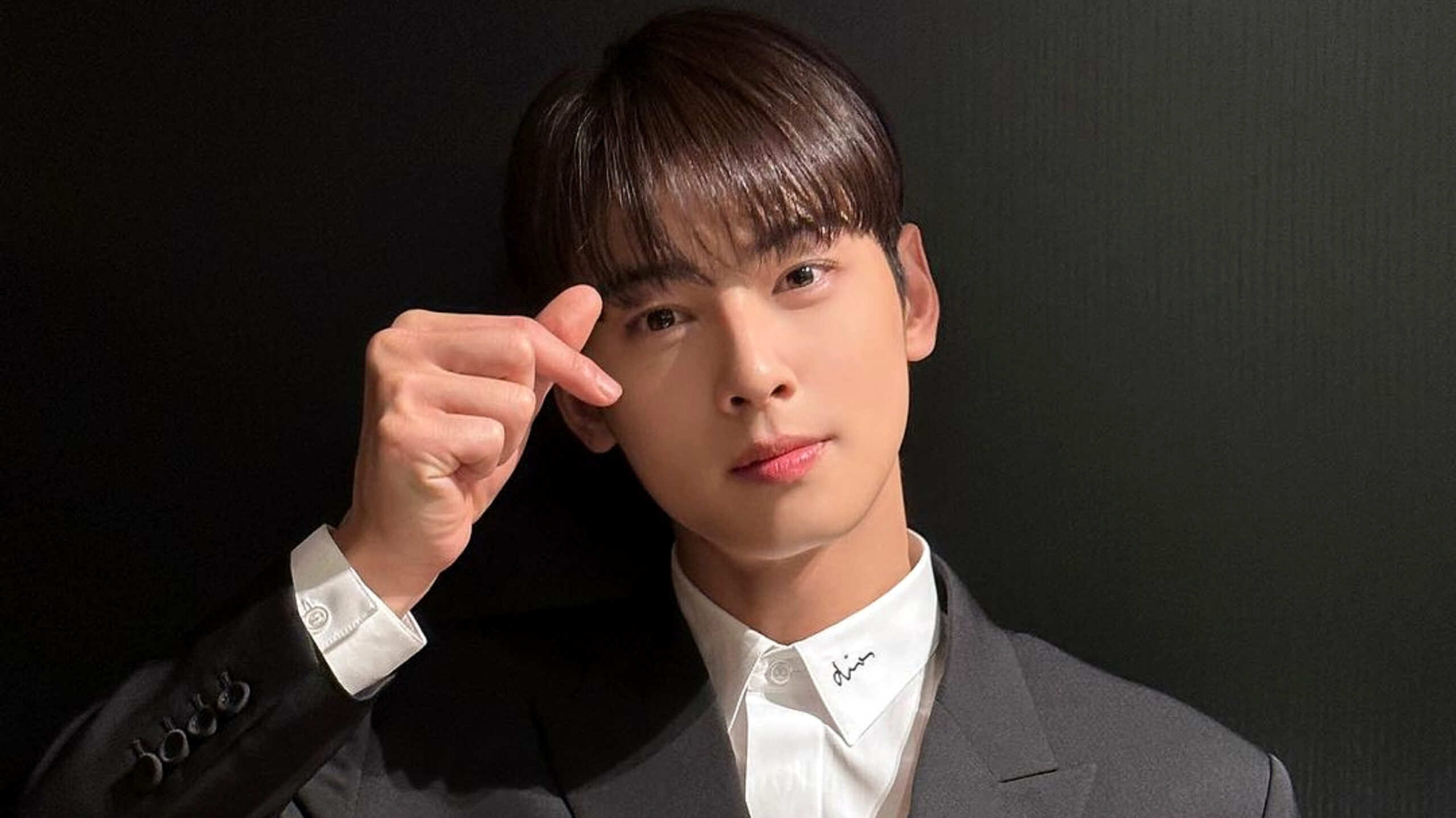
In frame: Idol actor Cha Eun-woo (Astro) displaying the "finger heart," one of the most popular aegyo expressions. Photo courtesy of Fantagio Official.
Aegyo—a cute, adorable gesture or speech intonation—is a ubiquitous part of Korean culture, communication, and entertainment. I’ll go over my comprehension of its background, applicability, and social ramifications in this piece, given that it’s a subject that often captures my curiosity.
Aegyo’s origins in Korean culture can be traced to the Joseon era when court ladies practiced it to curry the king’s or nobles’ favor. At the time, aegyo was seen as a highly coveted quality in women and a means of elevating their social status and clout. It was their way of achieving the ideal allure and demure, and it has since become an accepted norm in Korean society.
Today, Koreans across genders, age groups, and cultural backgrounds display aegyo. A high-pitched tone, emotive expressions, and baby lingo, for that matter, are among its various manifestations. During casual chats among loved ones, close companions, and family members, aegyo is a common portrayal for forging stronger bonds.
Interestingly, aegyo is also crucial in formal circumstances signifying courtesy and regard for superiors or seniors, while also being a flirting technique for Koreans to entice and court a potential partner. Essentially, it is a multifaceted and varied behavior witnessed in daily encounters, official settings, and even the Korean entertainment industry, notably K-pop, K-drama, Korean films, and variety shows.
During stage acts or interactions with fans, for instance, K-pop idols commonly employ aegyo to create a more intimate connection with them. One of the most popular aegyo expressions is the “finger heart” gesture. Here, the artist makes a heart shape with their fingers alongside cute facial expressions. Aegyo typically makes appearances in Korean pictures, television series, and shows. K-drama characters tend to use it pretty often to share their feelings of fondness or just for the fun of it. On variety shows, hosts, guests, and participants can use aegyo to gain traction through segments like aegyo challenges, which require performers to exhibit aegyo talent on camera.
It is pertinent to keep in mind that in Korea, aegyo has to do with traditional gender stereotypes as well. Men are usually meant to be imposing and authoritative, while women are beautiful and appealing. Aegyo has the potential to promote these gender norms and curtail the freedom of expression of those who fail to meet them. In this case, a guy who shows aegyo may be viewed as weak or effeminate, whereas a woman who doesn’t can be perceived as unfeminine. This may pressurize people to conform to societally accepted gender roles, which could be harsh and restrictive.
However, some people use aegyo to take on these traditional assumptions. For this reason, men displaying aegyo can refute the idea that they must remain strong and dominant, just as women who lack aegyo can challenge the obligation to be charming and cute. People may therefore use aegyo as an outlet for expressing their individuality and emancipating themselves from conventional norms.
Aegyo’s special appeal and extensive use as a vehicle for varied expressions are, in essence, responsible for its long-lasting influence in Korea. Generally, it connects people through their shared love of all things cute and fun, and as Korean culture continues to expand worldwide, we can expect it to remain an integral element of Korean identity and influence the behavior and attitudes of people everywhere.
The celebrated actress was also known for her appearances in the Home Alone movies and…
More artists are prioritizing their pace and approach to working at a time when the…
The 'Arirang' era is here, and it’s probably going to be BTS’s most heartfelt, raw,…
Producer Kabir Sehgal and musician Ayaan Ali Bangash talk about the spiritual leader's meditation album,…
The superstar has taken her Las Mujeres Ya No Lloran tour across the world for…
The Houston rapper shares the stories behind songs from Bon Iver, Kid Cudi, and more…

