


More Than a Comeback, It’s a Homecoming: The Heart of BTS’s ‘Arirang’ Era
The ‘Arirang’ era is here, and it’s probably going to be BTS’s most heartfelt, raw, and culturally profound chapter yet.

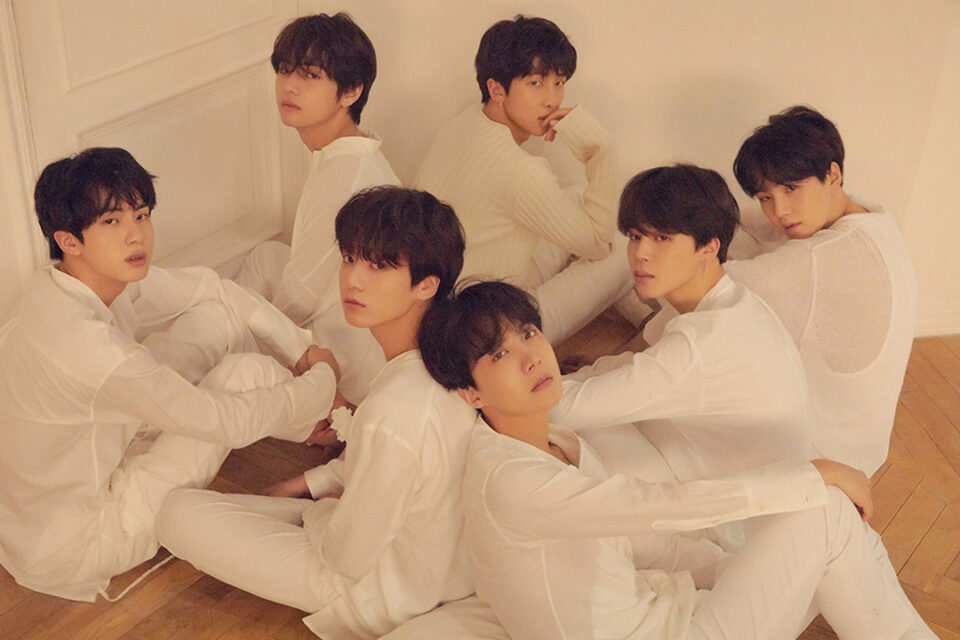
BTS. Photo: Courtesy of Big Hit Music.
For a decade, if the narrative around BTS has been focused on conquering the numbers — the Billboard streaks, the stadium sell-outs, and the sheer, dizzying velocity of their ascent — then now, as the members move through their solo arcs and a completion of their military service, we’ve entered what I may call their Arirang Era.
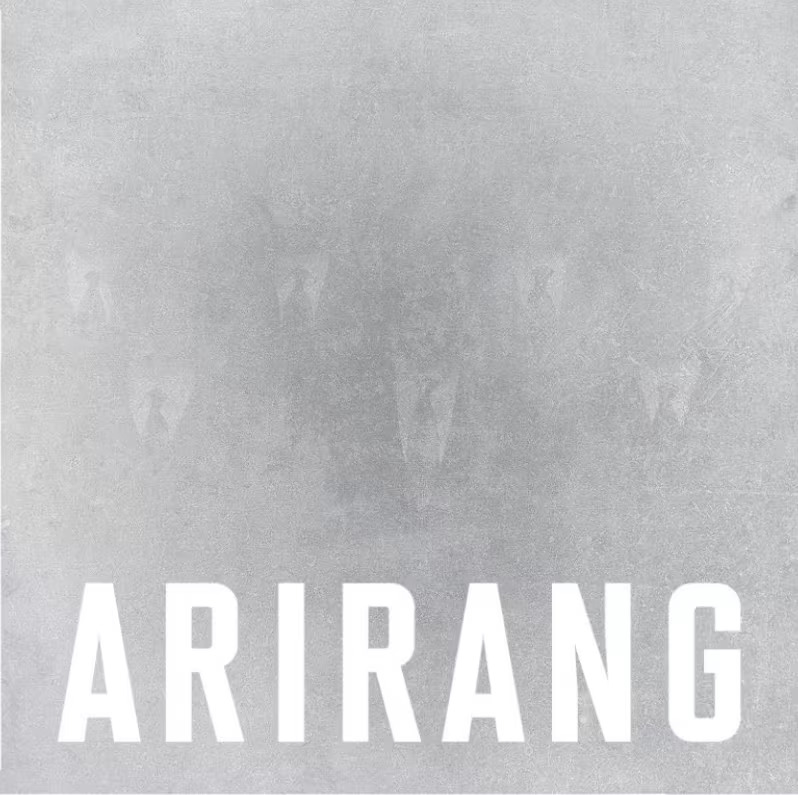
Koreans love Arirang, a folk song that’s over 600 years old and deeply rooted in their culture. It’s more than that, though, because Arirang is the sound of strength, longing, and the winding road home. So when BTS chooses to name their long-awaited album “Arirang,” it’s clear the present isn’t the era of “Dynamite” glitter but one of the souls behind the suit.
The shift happened subtly, then all at once. For years, BTS has been a singular, seven-member monolith of pop perfection, but the current Arirang phase, while definitely not fracturing that monolith, has most effectively strengthened it through seven distinct, more mature, and human prisms. We saw RM’s Indigo dive into the archives of Korean art to question if his work would outlast his fame, while Suga, as Agust D, confronted the trauma of his past in D-Day, proving that theirs isn’t just “idol” music but a crucial search for identity. To provide a necessary fact check, while most Western boy bands go solo as an exit strategy, BTS is treating this time as a vital follow-up period. You could think of it like in agriculture: sometimes you have to leave a field empty so the soil can truly recover. BTS did the same thing: they took a break to “compost,” letting everything break down so they could come back even stronger.
Another essential thing about this era is that it’s a total flex without even trying to be. Usually, when acts go “global,” they start polishing everything to fit a Western mold, but BTS is doing the opposite, leaning further into their Korean identity. They seem to know that the more “local” they are, the more we see ourselves in them. It’s Soft Power 2.0: staying relevant without selling out. And when they perform, they are exporting a lived experience, making the global stage feel smaller and more intimate. Just like that, they’re able to turn a stadium of, say, over 50,000 people into a shared space where “Korean-ness”becomes the very bridge that connects everyone.
“The most personal is the most creative.” This quote by legendary American filmmaker Martin Scorsese (famously cited by director Bong Joon-ho during his historic Oscar acceptance speech for Parasite in 2020) is the heartbeat of this era. After years of being the “face of K-pop” and carrying the weight of the nation on their shoulders, they’ve reached a point where they don’t have to prove anything to anyone anymore. This comeback is about the transition from “We are idols” to “We are the icons.” Individually, it allows them to breathe. Whether it’s seeing Jin just being a guy who loves fishing or Jungkook geeking out over 2000’s R&B, we see seven people who have found true comfort in their identities. Getting “back to their roots” isn’t about going backwards but about grounding themselves so they don’t get lost in the heights of their own fame. In an industry that’s starting to feel a bit “AI-generated” and overly shiny, their choice to be messy, personal, and real is the coolest thing they could do. This autonomy is the rarest currency in an industry that often prioritizes the brand over the person, making their return feel more like a reunion of old friends.
Broadly speaking, it’s a massive win for South Korea’s cultural legacy. With Arirang, BTS destigmatizes the idea that “traditional” is “outdated,” setting a new precedent that they can be the biggest group in the world while remaining very Korean. And it makes a world of difference for South Korea because it shifts the narrative from “we can do what the West does” to “the West wants what we have.” It’s a solid reminder that the most powerful thing an artist can do is remember exactly where they came from.

