Soundcloud’s Latest Data Reveals the Next Wave of Genres
Spanning consumption patterns and emergent scenes, Soundcloud’s Music Intelligence Report 2026 maps out where music is heading next

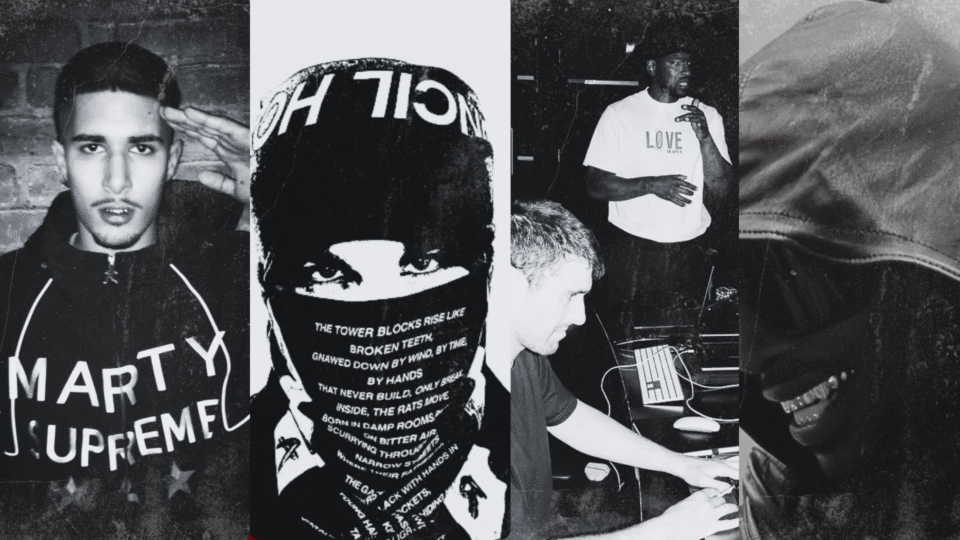
Artwork by Sharanyaa Nair
SoundCloud’s Music Intelligence Report 2026, which was released this February, revealed the platform to be part listening ground, part subcultural hotspot.
Assessing the data of artists and listeners, the report serves as a guide on how consumption patterns, regional flavors, rising genres, and listening habits are shaping the course of music in 2026.
While the app has been synonymous with propelling genres like “cloud rap” and other subgenres of hip-hop, it’s also interesting to note its genre-wide diversity. Users are not just interacting with their favorite tracks, but also stepping outside their comfort zones. As per the report, listeners sticking to their genres of choice have decreased by 4 percent since 2019.
While hip-hop remains the most-consumed genre on the platform, electronic music, the fastest-growing counterpart, is a genre to watch as we move into 2026.
Since 2024, indie and electronic streams have grown 4.5 times, with Gen Z accounting for 85 percent of listenership. Older subgenres, such as dubstep, are also making a steady comeback, with streams on tracks tagged #dubstep increased by 35 percent last year.
Beyond online streams, dance floors, and live sets have become mediums of passive sonic consumption. Uploads tagged #DJSET have increased by 39 per cent, with more regional sounds taking center stage. Niches such as Vinahouse, Colombian guaracha, baile funk, Turkish cloud rap, wave, Spanish, and Southeast Asian breakbeat are converging cultural rhythms with global sensibility, dominating both the club and the charts. Scenes growing from the app have also garnered mainstream acclaim, be it through streams or local sold-out shows
Amidst setlists and underground foundations, SoundCloud is also emerging as an epicenter of creative collaboration between its main genres: hip-hop and electronic music. Fans are gravitating toward the growing intersection, resulting in a middle ground that satiates their appetite. Take Fred Again.. linking up with American streamer Plaqueboymax and UK Grime heavyweight Skepta, the setting for “Victory Lap,” or Italian electronic artist Anyma bringing out “cloud rap” ace Yeat, to The Sphere Las Vegas, making him the first-ever hip-hop act to perform there. The scenes are diversifying and experimenting with culture and musical instinct instead of sticking to the formulas of a “chartbuster” song.
Nevertheless, hip-hop reigns supreme, with a lingering influence evident in all the upcoming sub-genres and sonic movements. Rap and alternative influences are shaking hands, be it Denzel Curry opening for Deftones, rappers like Playboi Carti‘s building his goth-rap sound, or underground renegades like Fakemink and EsDeekid using more electro-punk production, which is being dubbed the “electroclash revival.”
Using guitar, electronic, and ambient instrumentals, artists are pulling from several substrates to create an entirely new sound, borrowing from post-punk, electronic, folk, and indie playbooks. These are causing seismic shifts within the semantic foundations of what a certain genre is.
For instance, DMV (a combination of music from DC, Maryland, Virginia areas) is rising in popularity and listenership, showcasing an energizing concoction of post-funk, Nineties R&B, pulsating BPMs, drill, and southern rap. Gen Z account for 78 percent of DMV listeners. Likewise, Mexican Reggaeton, a rebellious sound infused with alternative, trap, and jerk influences, rose to prominence as one of the most proliferant categories, with an 81 percent spike in consumption in the past year. Similarly, “Eclectic Indie” surges ahead of the sonic stereotypes of “bedroom pop” and “lo-fi,” leaving an angsty aftertaste. Cranking up the experimentation further, producers and DJs are exploring grittier and speedier sounds steeped in distortion, resulting in variants like hard Techno, Harddtrek, and Shcranz.
SoundCloud’s 2026 data makes one thing clear: genres are outgrowing their labels and morphing faster than the industry can name them.
What’s propelling this is not snazzy marketing gimmicks, but the participatory tactics. Social discovery has become a notable catalyst, compelling users to indulge in sonic variety. Breaking away from the shackles of “gatekeeping,” audiences are openly sharing their recommendations, be it through shared playlists, interactions, or even silent reposts. Listeners who play a track from another user’s “Liked By” section are themselves three times more likely to like, repost, or comment.
Driving this fandom momentum forward is exclusivity. Artists, especially DJs and producers, are using it to forge stronger bonds with their communities: Releasing exclusives for top fans, teasing unreleased snippets, uploading live sets, and also throwing in remixes. Building on this dialogue between creator and consumer, artists are increasingly engaging with their fans through DMs and exchanging feedback, demos, and download-enabled stems.