AI tools recreating Ghibli’s signature style are merely a symptom of a larger AI slop problem
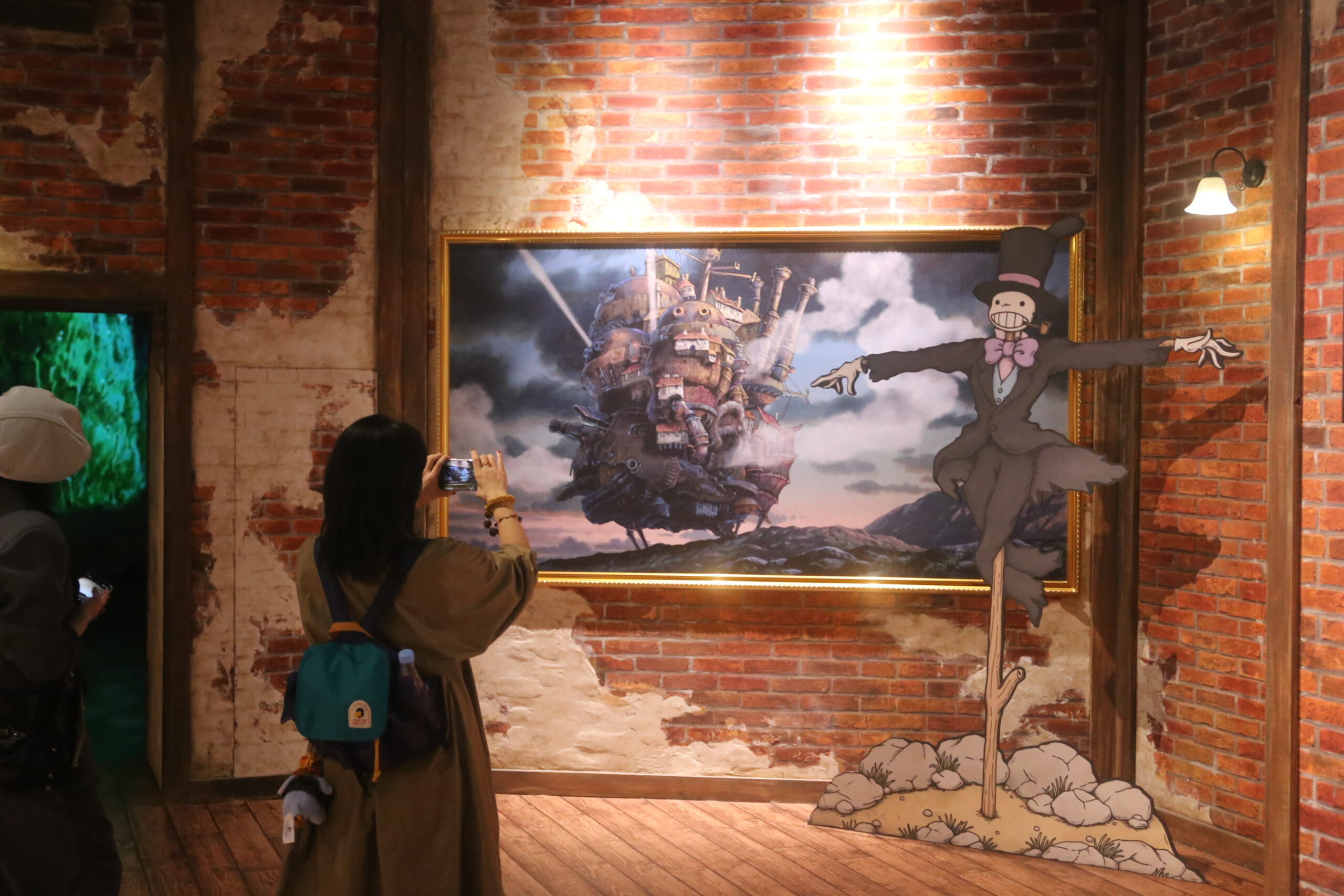
CFOTO/Future Publishing via Getty Images
Hayao Miyazaki has always believed that animation should have a soul. That’s why his films, from My Neighbor Totoro to Spirited Away, are all carefully drawn by hand. The subtle movement of wind rustling through grass, the flickering glow of lanterns, and the gentle rise and fall of a character’s breath that characterize the films are only possible because of the meticulous attention to detail from its makers. So when artificial intelligence started generating images that mimicked Studio Ghibli’s signature style, it felt like a contradiction. How did AI—a technology Miyazaki once called an “insult to life itself”—end up producing visuals that look like they came from his world? And why have fans embraced it, despite the creator’s clear disapproval?
Over the past year, AI-powered tools such as Midjourney, DALL·E, and Stable Diffusion have made it easier than ever to create art in the style of famous artists. These models, trained on large collections of images, can generate artwork that looks like it came straight from the Studio Ghibli universe. By simply typing a prompt like “Ghibli-style forest with soft light and floating spirits,” users can get an image that resembles scenes from My Neighbor Totoro’s enchanted forest or Spirited Away’s lantern-lit riverside.
Ghibli’s unique style—soft color palettes, subtle atmospheric details, and characters rendered with expressive features—has left a strong impact on people worldwide. Fans, eager to see new versions of this style, have used AI to experiment with Ghibli-like visuals, even though the results may lack the personal touch of traditional hand-drawn animation.
The Ethical and Artistic Debate
This rise in AI-generated Ghibli art has sparked a debate about the right to use AI to copy an artist’s distinctive style. Should AI-generated art that looks like Ghibli’s be seen as a tribute or as theft? And does this trend go against everything Miyazaki and his team have worked so hard to create?
Studio Ghibli has not officially supported AI-generated artwork, and Miyazaki’s past statements make it clear that he disapproves. In a 2016 documentary, he was shown an AI animation project and responded by saying, “I strongly feel that this is an insult to life itself.”
Beyond Miyazaki’s personal beliefs, there are legal and ethical concerns. AI art generators often pull from existing images without asking for permission from the original artists. Even if the AI doesn’t create direct copies, the resemblance to Ghibli’s style raises questions about artistic ownership and fairness in the digital world.
The Future of AI Slop
Despite the controversy, the demand for Ghibli-style AI art keeps growing, largely because people see AI as a fun tool to create new ideas using familiar styles. Some believe that AI-generated art is no different from how human artists learn by studying great works, while others worry that AI takes away the value of traditional hand-drawn animation.
The frantic speed with which social media users rushed to Ghibli-fy their own images, however, is just a symptom of a larger problem. AI slop, a term for low-quality media created using generative AI, has slowly crept into the creator economy, with users making everything from Dora the Explorer feet mukbang to Peppa the Pig skibidi toilet explosion clips (and these aren’t even the worst of them). In fact, it’s even spawned an entire industry of online chatrooms and YouTube videos that offer step-by-step guides on how users can create their own viral AI imagery. In this landscape, the viral Ghibli trend could very well be an unintended gateway to wider social acceptance of a trend that social media platforms have been accused of not monitoring effectively. While Miyazaki may never accept AI, the internet has made one thing clear—once an artistic style becomes a part of pop culture, it develops a life of its own, whether AI is involved or not.
Rolling Stone India has contacted Miyazaki’s representatives for comments on the latest floating trend.
From diffraction glasses to friend trackers, here are some concert go-to’s that should be on…
K-pop’s surge in India has made the market a hot ticket, yet high-profile festivals and…
From Jazz Yatra to Independence Rock to Sunburn, we spoke with industry veterans to revisit…
The country’s packed festival calendar reflects a growing appetite for live experiences, but uneven access,…
With a lineup this stacked, it's clear that 2026 is going to be a year…
Take your pick from metal to folk-fusion to blues in the coming weeks across India

