



The Hidden Language of Korea’s ‘Norigae’ Knots
Norigae remains an integral part of Korean identity, its delicate threads weaving together past, present, and future

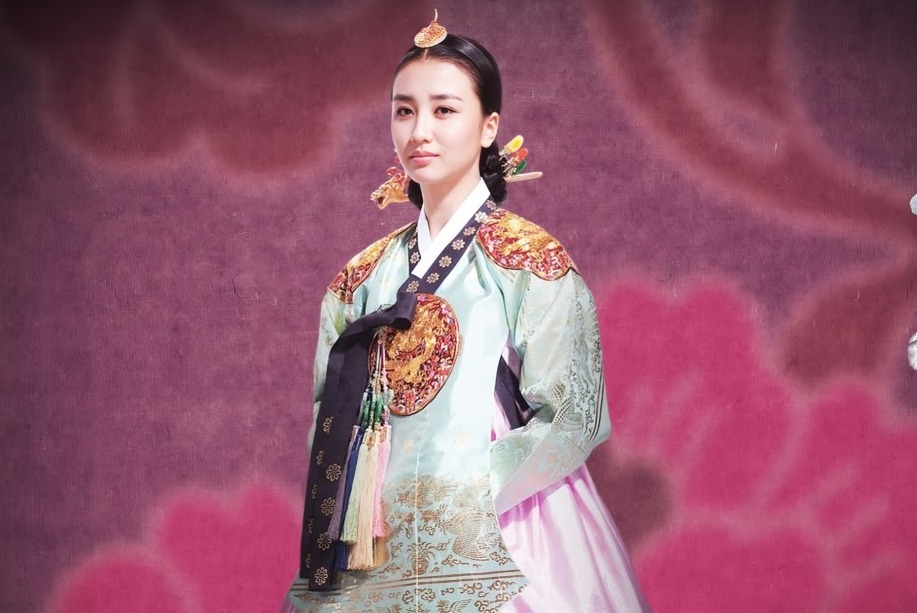
On traditional hanbok, norigae is often attached to the goreum (coat strings) of a woman's jeogori (jacket) or her chima (skirt), as seen in the photo from the 2010 K-drama 'Dong Yi.' Photo: courtesy of MBC.
I was just recently checking out The Korea Herald and came across this article about Incheon International Airport’s norigae-making class (running until July 31), which draws some inspiration from the massively hit animated film KPop Demon Hunters, where the Huntrix members rock modernized norigae. I was like, “What’s the deal with norigae?” See, the thing is, I’ve always been into Korean culture, and it turns out norigae—these tiny, knotted, tasselly things of silk—have been around in Korean wardrobes for centuries. More interestingly, they’re not just pretty accessories but a language of their own, conveying all sorts of symbolism and carrying a rich legacy.
The “norigae,” literally meaning “decorative knot,” was high in fashion during the Joseon Dynasty (1392-1910). Think of women wearing them, attaching the fancy trinkets to their traditional hanbok while also using them as ornaments. But what’s really cool about norigae is that they had a story to tell about the wearer—like they could reveal a woman’s social standing, whether she was married or not, and even give hints about her personality.
With its four distinct components—a hook, main ornament, knots, and tassels—norigae has been significant for Korean women for generations, symbolizing status, beauty, and good fortune. But the real magic happens with the maedeup, or traditional Korean knots. Each knot is like a secret message revealing what the wearer hopes for and dreams of. For example, there’s the Mongyeob changnyeong gyeol knot, which looks like a butterfly and is all about wishing for happiness and prosperity. And then there’s the cluster of chrysanthemum knots, symbolizing purity and beauty and wishing for peace and rejuvenation. As a Biroso article says, “choosing a particular knot and color for a norigae is a thoughtful process, imbued with wishes specific to the wearer’s life and aspirations.” I mean, it’s like literally wearing your heart on your sleeve.

Norigae comes in stunning styles, like the super elegant “jujeok” norigae with its gorgeous jade stones or the fancy “daenggi” norigae with flowing silk tassels that shine with gold. In Korean weddings, the bride wears norigae, as they are believed to attract fortune and felicity and ward off evil spirits. It’s also a popular gift for special occasions, and on holidays like Seollal (Korean New Year), people wear norigae to honor their heritage and ancestors. So, whether you’re celebrating a big life moment or connecting with your roots, norigae is a beautiful way to do it.
Lee Yoo-jin, a history major, says, “Honestly, I love how Korean designers are redefining traditional norigae these days. They’re incorporating modern materials and designs, and it’s amazing to see norigae popping up everywhere—from fashion shows to everyday accessories. As a new generation Korean, I find them cool. I’m obsessed with hanging them on my bags and even love pairing them with my outfits. You can find norigae in various markets throughout Korea. They are excellent souvenirs too!” In Seoul’s Hongdae neighborhood, she says you can find modern hanbok shops that offer norigae-making workshops. “With just a few hours of learning, you can make your own norigae!”
In essence, norigae is a treasured keepsake for anyone who experiences it. And as Yoo-jin so eloquently puts it, “it could be that thread that’ll forever connect you to our country’s vibrant culture.”


