‘The Remarried Empress’: Trading the Joseon Palace for a Western-Inspired Backdrop
The upcoming drama swaps the traditional Hanbok for an imperial silhouette in a risky bet on the global resonance of K-drama storytelling


From left to right: Ju Ji-hoon, Shin Min-a, and Lee Jong-suk star in 'The Remarried Empress.' Photo credit: Disney+, courtesy of Han Cinema.
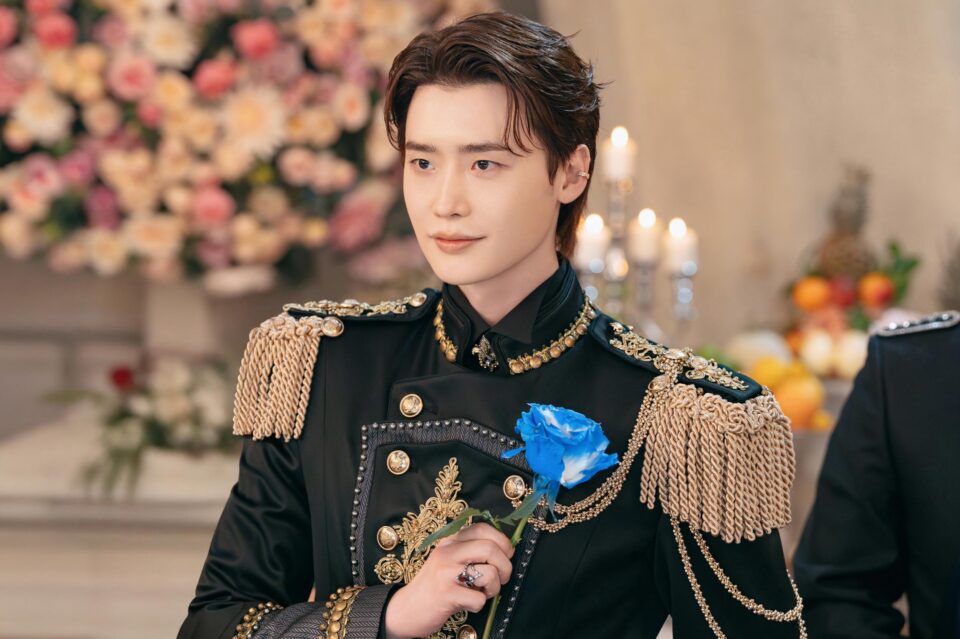
We all know what to expect from a Korean period drama: the rustling hanboks, the rigid Joseon etiquette, and the noblemen in those signature Gat hats; essentially, every familiar visual trope that has defined the genre for decades. But in a departure from the norm, The Remarried Empress is playing by its own set of rules. Instead of the usual Korean palace backdrops, the production has gone into the architectural grandeur of the Czech Republic and Germany to capture that genuine, old-world European feel of the original webtoon, also using Prague’s fairy-tale landscape, the iconic Old Town, the gothic corridors of Kutná Hora, and the stunning Jaroměřice Palace to bring the Eastern Empire to life.
This significant break from the conventional Sageuk (typically defined as dramas rooted in Korean history) ventures into a novel fantasy space that questions whether The Remarried Empress qualifies as a K-drama or a Western royal fantasy retold from a Korean lens. By moving the story to a fictional Western empire, the creators have stripped away the heavy social baggage of the Joseon era to focus on the more universal drama of a royal divorce. Tapping into the pure catharsis of the “revenge divorce,” they’ve created a world just as polished as The Crown (2016) and as vibrant as Bridgerton (2020–present) but entirely driven by the distinct, high-tension Korean storytelling we love.
However, this “East-meets-West” style is apparently the production’s biggest gamble — and a risky one at that. Traditionally, the soul of a K-drama palace intrigue is rooted in local history and subtle social hierarchies. By leaning into a full European fantasy, the show enters the “Uncanny Valley of Culture.” To a global audience, seeing a cast of Korean actors navigate a world that looks like Victorian England could either feel like a revolutionary new genre or an elaborate “period-piece cosplay.” The risk is that by deviating from the typical Sageuk format, the show loses its “home-field advantage” of cultural heritage. It’s betting everything on the idea that a stateless story about dignity can resonate just as deeply as a traditional one. Even so, it has to compete directly with massive Western franchises on their own turf.
This risky change in style has a clear purpose. Far from being just a visual gimmick, this Western-inspired world is the perfect stage for Navier’s character (played by Shin Min-a), reframing her journey from a traditional royal struggle into that of a woman made of steel and velvet. Usually, in a historical drama, a queen’s power often boils down to her ability to produce an heir or her family’s social status. However, in this story, placing Shin Min-a in a Western setting changes the whole dynamic. It portrays her as a 19th-century career woman defined by her skills and her work rather than just her title. Navier isn’t only a wife; she’s the CEO of a country. Her cold, calculated response to her husband, Emperor Sovieshu’s (Ju Ji-hoon) infidelity, is strikingly modern and sharply contrasts the classic backdrop of ballrooms and tiaras. Her decision to leave a toxic, loveless marriage for Prince Heinrey (Lee Jong-suk) is definitely a successful transition to a better life rather than a rebellion. And so, it turns a complex divorce into a universal message of self-worth that anyone, anywhere, can get behind.

But for this ambitious reimagining to actually work, it requires more than just a grand setting — it demands a cast capable of carrying that emotional weight. And that’s what truly justifies the massive hype for the drama and keeps this gamble from feeling disconnected: the commanding screen presence of the actors. You don’t just assemble heavyweights like Shin Min-a, Lee Jong-suk, and Ju Ji-hoon without intending to make a statement. Ju Ji-hoon is a particularly genius pick in my opinion: he’s the one who gave the historical prince a modern, rugged makeover in the K-zombie hit Kingdom (2019), where he moved away from the stiff royal tropes to give us a prince who’s more human and resilient amid a literal apocalypse. By bringing that same intensity to the role of the flawed, egotistical, and frustratingly arrogant cheater like Sovieshu, he ensures the character is someone we simply can’t look away from, even when we’re rooting against him.
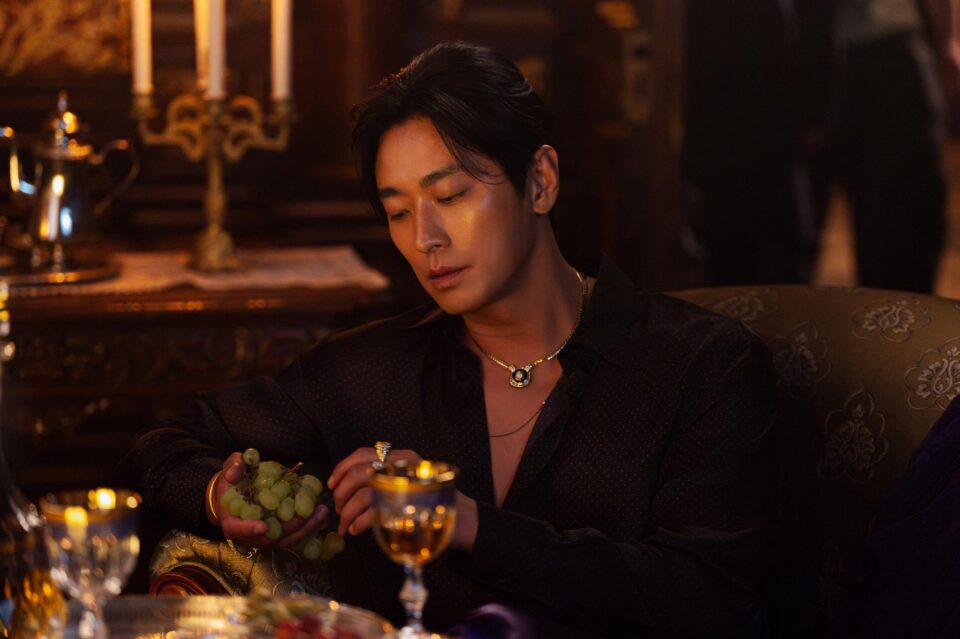
On the other side, Lee Jong-suk plays the perfect shapeshifter, Prince Heinrey, whose ability to turn into a bird makes him the ultimate undercover spy for the Western Empire. Lee has always been best at playing these dual-sided characters — charming on the surface but dangerous underneath — making the more fantastical elements of the story feel elegant rather than cheesy. So, the casting is the structural backbone, giving the distinct K-drama essence to this otherwise foreign European opus. It’s surely a risky experiment, but one that ensures, no matter how foreign things look, the storytelling feels like home. By turning a foreign setting into a familiar stage, it proves that the soul of a Sageuk remains untouched, regardless of the cultural wardrobe.
The Remarried Empress will stream on Disney+ in the second half of 2026.