


What We Can Learn From Talwiinder’s Steady Rise
The Punjabi artist’s slow-building momentum turned into measurable demand across India and beyond. His recent run shows what steady, unforced growth looks like in real time

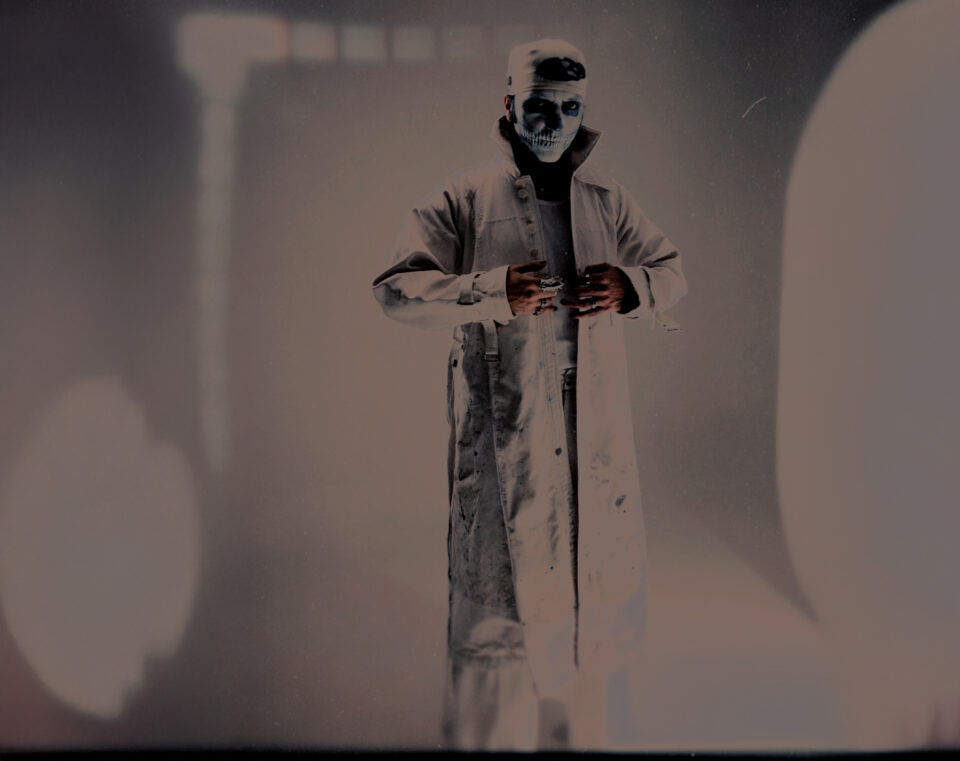
Shot by Samrat Nagar for Rolling Stone India
I’ve spent enough time with Talwiinder to know that he isn’t someone who changes much. When we shot his Rolling Stone India cover last year, he sat across from me in that green vest and mask after a 12-hour day, still calm and patient, still speaking like someone who doesn’t think too much about the noise around him. A year later, he feels the same. The difference is everything happening around him.
A Rise Built Without a Breakthrough Moment
His rise in India didn’t come with a sudden breakthrough or any engineered moment. It was built steadily. The songs started showing up everywhere — in gyms in cities where Punjabi music isn’t the default, in reels from people who didn’t know his face, in restaurants playing “Khayaal” and “Haseen” as if they’d always been part of their playlists. “Wishes,” “Dhundhala,” “Nasha,” “Gallan 4,” “Gaani,” and “Unforgettable” resurfaced across 2024 and 2025 with a consistency that didn’t look like algorithmic luck. People were actively going back to his catalog.
Live shows made his growing pull obvious. At festivals, fans started showing up much earlier than necessary, already wearing their own versions of his black-and-white mask. His opening slot on G-Eazy’s India tour drew an incredible reaction that didn’t match the early billing. At Zomato’s Feeding India concert in 2024, where he performed before Dua Lipa, the crowd kept getting louder with every track. And by the time he hit the Lollapalooza India stage, it was clear they weren’t discovering him — they were already with him.
When Demand Became Impossible to Ignore
Then came the solo run. Throughout the year, his shows in Delhi, Ludhiana, Hyderabad, and Mumbai kept selling out. Some cities filled up within hours. What stood out was the crowd’s familiarity with his deeper catalog. They were singing songs from years ago, tracks without videos, album cuts that hadn’t been pushed. That kind of loyalty doesn’t form overnight.
The completed Halloween Tour cemented it. Four cities across India, all at capacity, with Mumbai’s Dome SVP Stadium night marking a clear turning point. It didn’t feel like it was about theatrics or a major production shift; it was simply an artist stepping into a larger room and carrying it with the same steady presence and terrific styling and visuals he’s always had.
Internationally, the trajectory has followed a similar pattern. His Dubai show at Zero Gravity — a space that accommodates 5,000 people — pulled a noticeably strong South Asian turnout, especially for a debut in the region. His London show at Outernet London sold out well in advance, which is uncommon for an artist who didn’t enter the market through the typical diaspora channels or heavy promotional cycles.
Numbers That Confirmed the Shift
The data backs what audiences are already feeling. On Spotify alone, Talwiinder is now pulling over 18 million monthly listeners and has crossed 1.1 billion lifetime streams, with “Haseen” past 135 million plays, “Khayaal” over 145 million, “Wishes” above 60 million and “Dhundhala” nearing the 130 million mark, while catalog cuts like “Tu,” “Nasha” and “Gallan 4” continue to quietly stack multi-million numbers. “Wishes,” his collaboration with Hasan Raheem, closed out 2024 as the second most-streamed local song in Pakistan and the fifth most-streamed track overall on Spotify in the country — a rare cross-border benchmark for an independent Punjabi artist. In India, “Khayaal,” “Dhundhala,” “Haseen,” “Gaani” and “Gallan 4” continue pulling steady daily streams, and after “Gallan” appeared in Teri Baaton Mein Aisa Uljha Jiya, older tracks like “Tu” and “Unforgettable” found their way back into regional charts and curated playlists.
That momentum is mirrored in the way his audience has scaled online: when I interviewed him for his Rolling Stone India cover story last year, he was sitting at roughly 700,000 Instagram followers; a year later, that number has climbed to 6.4 million, with engagement hovering near 28 percent and an average of about 1.8 million likes per post — figures more typical of headline pop acts than of someone who still insists on moving quietly.
Stability at the Centre of It All
A major part of this stability comes from Misfit, the album he released via Mass Appeal India in 2024. The project, produced entirely by NDS, didn’t rely on a big rollout, but it has shaped his current phase more than anything else. NDS has been central to his sound for years, building productions that leave space for emotion rather than overwhelming it. Their process rarely comes from over-planning; most decisions are instinctual. It’s a working relationship that values trust over trend. Misfit reflects that clean, melodic, and cohesive in a way that makes listeners stay. Tracks from the album have had a surprisingly long life, finding new audiences months after release, especially in India and the Gulf, where their tone sits neatly between mainstream and alternative.
There were challenges this year, too. The removal of “Pal Pal,” his collaboration with Afusic, from Spotify India after the platform’s wider removal of Pakistani-origin tracks created a noticeable gap in his release momentum. He didn’t address it publicly — he rarely addresses anything publicly — but his listeners filled the void by circulating the song themselves in form of trendy reels, remixes etc. That response said more about his audience than any chart could.
What stands out in all of this is his consistency. He hasn’t shifted his image, he hasn’t become hyper-visible, he still protects his personal life, still writes from everyday experiences, still maintains the same boundaries. The mask remains a line he doesn’t want crossed. In larger rooms, he still carries the same measured energy he had in the small studio where we talked after the cover shoot.
If anything, this past year has only widened the world around him. The shows, the streams, the momentum — they’re all rising, but he hasn’t shifted his course. He’s just doing the work, and right now, that seems to be enough.
Read Talwiinder’s September 2024 Rolling Stone India cover story here.