Top 25 Music Festivals in India, Ranked
A definitive list of music festivals in India that cut through the noise

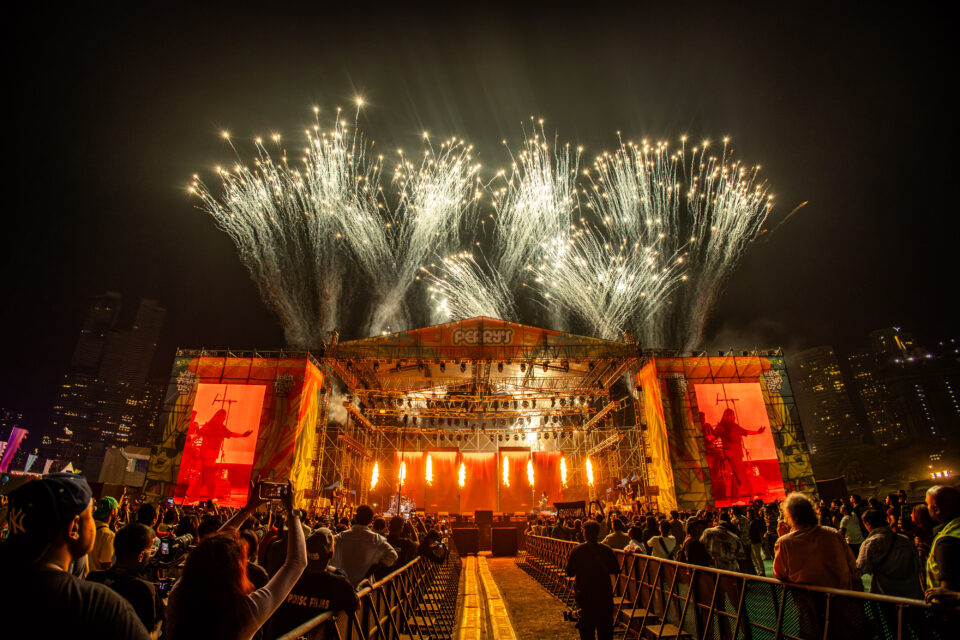
The Perry stage at Lollapalooza India 2024 in Mumbai. Photo: Courtesy of Lollapalooza India
To say 2025 was the year India’s music festival circuit hit its all-time peak would be an understatement. From Lollapalooza India bringing down global icons like Green Day and Louis Tomlinson, to Rolling Loud making its long-awaited debut in the country with a roaring lineup featuring Central Cee, Don Toliver, NAV, and Karan Aujla, it’s been a watershed moment for the live music market. But India cementing its place in the global festival circuit has been decades in the making.
Building steady momentum since the early 2000s, independent trailblazers like Ziro Festival and NH7 Weekender have been laying the groundwork for today’s explosion, while fledgling efforts are finding a new footing in cities that move beyond the metro bubble. The music festival circuit has evolved into a network of formats, scales and intentions that coexist across the country, each serving a different purpose within the live ecosystem. Some festivals are designed to operate on a global level, drawing in international touring routes and large-scale productions. Others are rooted in place, culture, or community, building something slower and more intimate. A few sit somewhere in between, evolving year after year as audiences and scenes change around them.
In a hyper-saturated concert economy, it’s harder than ever to tell which festivals actually matter and which will vanish into your Instagram archive. Our writers and editors scoured through lineups, fished out old wristbands, excavated photo storage folders, and debated over Excel sheets to put together a definitive list of festivals that cut through the noise. Each entry is shaped by how consistently the festival has delivered, how clearly it understands its identity, and how well it has earned the trust of its audience. Curation, production, cultural relevance, and long-term impact all factor into how these festivals stack up, especially in a market that is expanding as quickly and unevenly as India’s.
Here are the top 25 music festivals in India, ranked.
25. Cherry Blossom Festival

Cherry Blossom Festival has long positioned itself as Shillong’s bid for a place on India’s touring circuit, and while the intent is commendable, the execution has increasingly leaned toward spectacle over substance. Early editions struck a more considered balance between international headliners and the region’s deeply rooted music culture, but recent lineups have pivoted heavily toward familiar, big-ticket global names like Jason Derulo, The Script, Akon, and Boney M. While regional artists remain part of the programming, they receive little of the spotlight, scale, or consideration given to the global acts, leaving them eclipsed rather than meaningfully showcased. Their presence now feels more token than foundational. As India’s festival ecosystem grows more discerning, the lack of a clearer curatorial identity and a stronger commitment to the Northeast’s own musical legacy becomes harder to ignore. Cherry Blossom’s place at last on the list reflects that tension: a festival with undeniable potential, but one that risks becoming another touring stop rather than a destination with a distinct voice. – Shamani Joshi
24. Sunburn

There’s no denying what Sunburn once meant. At a time when large-scale electronic music festivals were virtually nonexistent in India, it played a foundational role in shaping the country’s early EDM culture. It brought down global heavyweights like Carl Cox, Armin van Buuren, and Above & Beyond as far back as 2007, and introduced an entire generation to the idea of destination-style dance festivals. That legacy still carries weight. Over time, however, repeated issues around crowd management, entry and exit bottlenecks, logistics, communication, and on-ground coordination have chipped away at that goodwill. The conversation around Sunburn today is less about discovery and more about endurance: how long the lines will be, how congested movement might feel, and how exhausting the overall experience can become. In a festival ecosystem that has matured significantly, these shortcomings are more visible than ever. Audiences now know what well-run festivals look like, and they expect that same standard from a festival of Sunburn’s scale. Its ranking at No. 24 reflects that growing gap between legacy and lived experience, and the hope that the on-ground reality can still rise to match the ambition that once made Sunburn so pivotal. – Peony Hirwani
23. DGTL India

DGTL India brought clean, industrial sounds and aesthetics lodged at the fringes of electronic music to a bigger spotlight. Since the festival’s India debut in Bengaluru in 2020, its editions across Mumbai, Delhi, and Bengaluru have followed the global blueprint of modular stage design, art‑forward installations, and a roster of international artists like Solomun, Maribou State, SPFDJ, Ellen Allien, Yotto, and Hector Oaks, alongside cult-favorite local names like Sickflip, Anyasa, Parallel Voices, and Kollision. For India’s electronic loyalists, it has become the go-to space to experience international-quality production and underground sounds, presented with restraint. In recent editions, however, its growing scale and broader appeal have softened some of the grungy energy the festival was founded on, a dilution that places DGTL at No. 23 on the list. – S.J.
22. Udaipur World Music Festival

While Rajasthan has always had music festivals catering to different demographics, the Udaipur World Music Festival is a prime example of what a free music festival can do for the city’s spirit. Hosted since 2016 and conceptualized and produced by event company Seher, in the past, they’ve had morning sessions that give you a view of the iconic Lake Palace and evening sessions that take place in the heart of the city. Whether it’s hip-hop from Cote d’Ivoire or Yemeni folk or Portuguese folk rock, these acts have been presented alongside Indian favorites like Karsh Kale, Farhan Akhtar, Shaan, Kutle Khan, and others, making it a wide-ranging curation that leads the way when it comes to free music festivals for all. – Anurag Tagat
21. Outrage Festival

After the Great Indian Rock Festival, there hasn’t really been a gathering for heavy music in the capital city of Delhi, and Outrage Festival steadily built itself from indoor club editions that shook up several venues to finally going open-air in the hopes of larger gatherings. They are 11 editions in, and while it’s not been without challenges — tech-death metallers Cryptopsy did not play their headline set owing to local authorities shutting down the festival earlier than anticipated in November 2025 — Outrage has definitely given metalheads in the capital a lot to look forward to in otherwise parched times. The likes of Bloodywood have got their much-anticipated homecoming gig, while Bhayanak Maut, Kryptos, and Gutslit marked their rare appearance in the capital, alongside local rock and metal acts who don’t always find a stage. – A.T.
20. Jazz Weekender

The Jazz Weekender has slowly evolved into India’s most interesting jazz-adjacent melting pot, even if strict purists might look elsewhere. The fourth edition, held this October, leaned fully into jazz as a connective language rather than a closed genre, turning the festival into a live crossroads between hip-hop, R&B, electronica, funk, and improvisation. That philosophy peaked with Gujarati rap phenom Dhanji’s blistering 13-piece jazz-funk ensemble, an audacious, loose set that felt completely at home on this stage, alongside Mark de Clive-Lowe’s shape-shifting live remix performance. By framing jazz as a living, adaptive form rather than a museum piece, the Jazz Weekender has become one of the circuit’s most forward-leaning experiments, and a proper showcase for some of India’s finest live performances of the year. – Sharan Sanil
19. Hornbill Festival
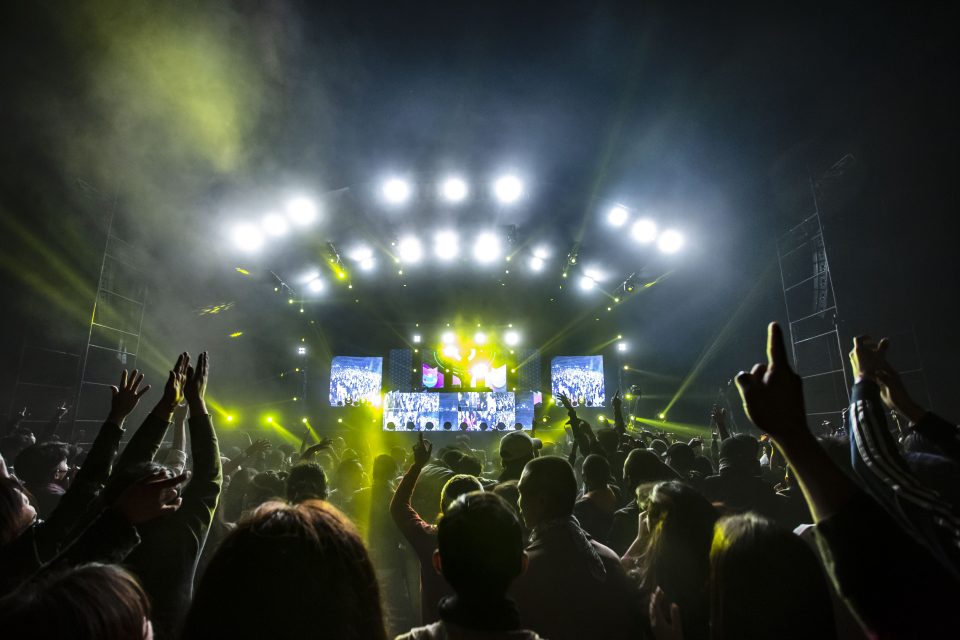
One of the earliest instances of the state government getting involved in promoting Indian independent artists has arguably come from Nagaland’s Hornbill Festival. What started out as the Hornbill Rock Contest and then became Ticket To Hornbill became a launchpad for bands ranging from The F16s to Yesterdrive, Joint Family, Underground Authority, and Perfect Strangers since 2006. Kohima and its nearby town of Kisama threw their doors open for guests from all over in a cultural showcase like few others. The music is at the core of this, with evening performances from international and national stars alike, ranging from folk to rock to metal at the Naga Heritage Village. Nagaland has led with soft power for decades, and Hornbill is their annual blowout, packed with new discoveries as well as seasoned favorites on the lineup. – A.T.
18. K-Town 3.0

One of the few festivals in the country that has consistently tapped into India’s massive Hallyu wave, K-Town 3.0 comes in at No. 18 on this list simply because of the way it has managed to deliver a large-scale festival dedicated entirely to Korean music and culture. Renowned for bringing global K-pop heavyweights to the country, its past editions have featured names like BamBam (GOT7), Xiumin (EXO), Taemin (SHINee), and SUPER JUNIOR-D&E, alongside R&B and rock acts such as B.I, Bang Ye-Dam, Jey, and ONEWE.
While the festival touts itself as bringing the best of K-culture, including food, beauty, and lifestyle, under one roof through meet-and-greets, official merchandise, pop-up karaoke, and photobooths, what truly gives it its warmth and spirit is the way it also doubles as a community that brims with fandom spirit. You’ll find attendees exchanging photocards, strangers vibing at impromptu flash mobs, and people headbanging to artists they’re probably hearing for the first time, emphasizing the long-standing power of community within the live music ecosystem. K-Town Fest has not only satiated the desi audience’s insatiable appetite for authentic, immersive experiences but also established itself as a platform for musical discovery. – Sharanyaa Nair
17. South Side Story

Red FM took an ambitious call when they decided to host a South India-themed music, food, and culture festival outside of the region itself with South Side Story. Then again, perhaps the whole idea was to call on the South Indian community that had settled in cities like New Delhi and Mumbai for a celebration of all things Malayali. Spearheaded by Red FM’s Kerala-origin chief operating officer and director Nisha Narayanan, South Side Story was launched in 2019 to mark Onam festivities. So you can come for performances by bands like Agam, Thaikkudam Bridge, and rapper Arivu, but stay for the sadhya (traditional and wholesome Kerala meals served on a banana leaf). Each edition sees attendees come out in their best lungis and white sarees, also becoming a draw for anyone who’s curious and happy to celebrate South India. – A.T.
16. Bollywood Music Project

One of the loudest efforts to take Bollywood tunes from cinema halls to the live stage, the Bollywood Music Project, now eight editions strong, has become a living archive of the genre’s enduring appeal. The festival has showcased legacy powerhouses like Shaan, Shankar Mahadevan, Usha Uthup, Sunidhi Chauhan, and Salim-Sulaiman, while also holding space for names like Dino James, Nucleya, Priyashi Shrivastava, Divine, and more. In doing so, it has carved out a space where generations of listeners converge, offering Bollywood loyalists a live experience steeped in nostalgia, collective memory, and a shared sense of pride in the music that has shaped popular culture. – Veer Mehta
15. Orange Festival of Adventure and Music, Dambuk

Whether you were flying in by helicopter or crossing a seasonally dried-up river bed, or perhaps taking a ferry across the Brahmaputra from Dibrugarh, getting to the Orange Festival of Music and Adventure in Dambuk, Arunachal Pradesh, is, well, an adventure. Infrastructure like bridges have made the festival much more accessible for anyone to come for the orange orchards, river rafting, and off-road 4×4 events on the sidelines, but stay for the music. OFAM has hosted the likes of American rock act P.O.D., guitar great Yngwie Malmsteen, rock guitarist Richie Kotzen, rap-rock act Flipsyde, Indian stars like Divine, Ritviz, When Chai Met Toast, and more since 2016. It has quenched the thirst for rock in the Northeast but also now moved into a space of curating national stars, making sure OFAM has evolved for Arunachal as well as the rest of the region. – A.T.
14. Ocha Festival

Ocha Festival is less a conventional music festival and more a cultural convergence point for Kerala’s youth. Fiercely genre and language-agnostic, it reflects how Malayalam rap, English bars, and bass-heavy EDM coexist without hierarchy, mirroring a scene that values intent and authenticity over rigid categorisation. What sets Ocha apart is its culture-first approach. The festival prioritises community, energy, and scene-building rather than spectacle, allowing audiences to engage deeply with the music and the movements behind it. Watching thousands rap along to SA’s English verses or respond with equal fervor to Malayalam hip-hop underscores how “local” here is expansive, not limiting. This year’s highlights included Tamil rapper Asal Kolaar, the OG English rapper and crowd favorite SA, and rising artists such as Lil Payyan and EFY, alongside appearances from Dabzee and Vedan, while forerunners like Thirumali and Thudwiser anchored the lineage of Kerala’s hip-hop journey. Ocha stands out as a festival that documents a scene in motion: rooted in culture, confident in its identity, and unconcerned with external validation. – Srishti Das
13. Goa Sunsplash

Goa Sunsplash feels like stepping into a reggae utopia carved out of sunshine, community, and impossibly good vibes. Rooted in the ethos of peace, unity, and sound-system culture, this beachfront gathering, founded by Delhi reggae collective Reggae Rajahs in 2016, rolls out a steady pulse of roots, dub, dancehall, and Afro-Caribbean grooves. Mornings ease in with yoga and wellness, afternoons drift into bass-heavy bobbing, and nights belong to massive sound systems shaking up palm trees under starlit skies. What sets Sunsplash apart is its sincerity: there are no gimmicks, just a deeply global yet distinctly Goan celebration where music and community float together on the same warm tide. – S.J.
12. Bangalore Open Air
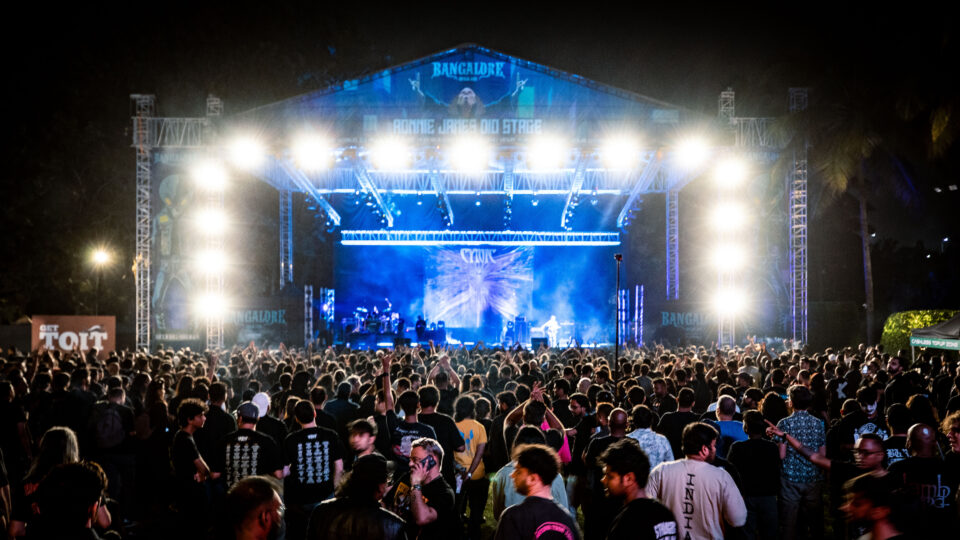
Starting out in 2012 on a college campus, event organizer Salman U. Syed’s bullish bet on giving India a regular metal festival has led to 12 editions of Bangalore Open Air (BOA) in the Garden City. From Suffocation, Kreator, Rotting Christ and Mayhem to In Flames, Animals As Leaders, Alcest and several more, BOA has always been focused on bringing international acts to India. Where production challenges and cancelations have been nagging at them for years, the ship seems to have steadied with recent editions, with the 2025 outing bringing in Ukrainian metallers Jinjer and prog legends Cynic. Metalheads in India haven’t exactly been overrun with options but BOA has been that no-bullshit gathering they can look towards for quality international acts alongside Indian heavy-hitters. – A.T.
11. Mahindra Kabira Festival, Varanasi

Endeavoring to put forward the teachings and life of Kabir “in every sense,” the Mahindra Kabira Festival set up in the tourist hotspot and holy city of Varanasi to add a meaningful musical dimension. From sunrise sessions that take you on a boat ride on the Ganga for a ghat-side concert, to storytelling-led city tours and power-packed evening concerts, Mahindra Kabira Festival is the tourist-friendly gateway to Varanasi, but with music curation at its core. From Shubha Mudgal to Indian Ocean, The Raghu Dixit Project, Ranjini-Gayatri, Kaushiki Chakraborty, and several more, there’s a sonic diversity that makes you overlook the fact that artists often draw from the most popular Kabir couplets for their compositions. You might hear a lot of “Moko Kahan” and “Udd Jayega Hans Akela,” but there’s a new soul injected by varied artists. Working with New Delhi’s Teamwork Arts also brings forward theater performances and literary discussions to offer a more holistic deep dive into the poet-saint’s life and work. – A.T.
10. Rolling Loud India
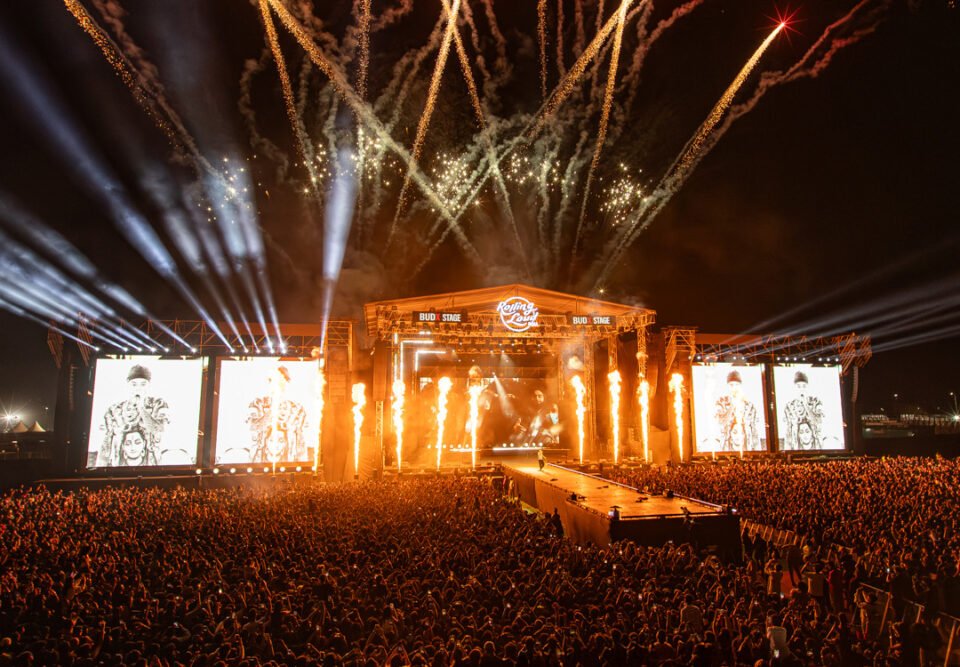
Rolling Loud India earns its place on the list because of what it represents for hip-hop in this country. As the Indian edition of the world’s most recognizable rap festival, its arrival marked a turning point — a signal that Indian hip-hop had grown large enough, visible enough, and commercially viable enough to host a format built almost entirely around the genre. The ambition is undeniable: Rolling Loud India brought global hip-hop framing, scale, and intent into a scene that has largely grown from the ground up. Its strength lies in that statement alone, that rap here deserves dedicated infrastructure, headline treatment, and festival real estate without being boxed into side stages or genre silos. At the same time, its ranking reflects a festival still finding its footing locally. The challenge ahead is depth: building stronger continuity, sharper curation, and a deeper connection to India’s regional hip-hop ecosystems beyond the marquee moment. As a first chapter, Rolling Loud India opened the door. What it becomes next will decide how far up this list it climbs in the years to come. – P.H.
9. NH7 Weekender
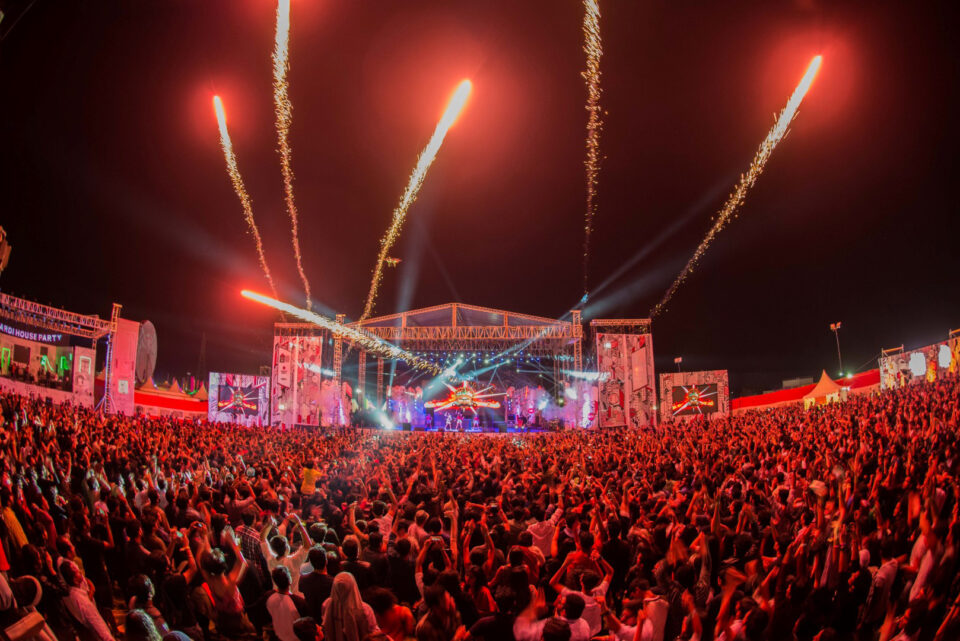
Billed as India’s “happiest music festival,” NH7 Weekender is one of the OGs of India’s modern festival scene. Weekender always felt like a sprawling, communal reunion, whether it’s Pune’s warm afternoons spilling into electronic-charged evenings, or drum ’n’ bass, or pop, hip-hop, and metal sharing the same grounds in Shillong’s hills. It’s the place where college kids discovered their first indie favourites and where artists like Prateek Kuhad, The Local Train, When Chai Met Toast, Parekh & Singh, Lifafa, and more found their earliest festival-stage highs. After the 2024 Pune weekend was cancelled hours before gates opened due to law-and-order concerns, the festival is now toying with a multi-genre one-day festival format, touring in cities like Jaipur, Indore, and Noida while grasping onto the same indie spirit that made it so memorable. – S.J.
8. Sacred Spirit Festival
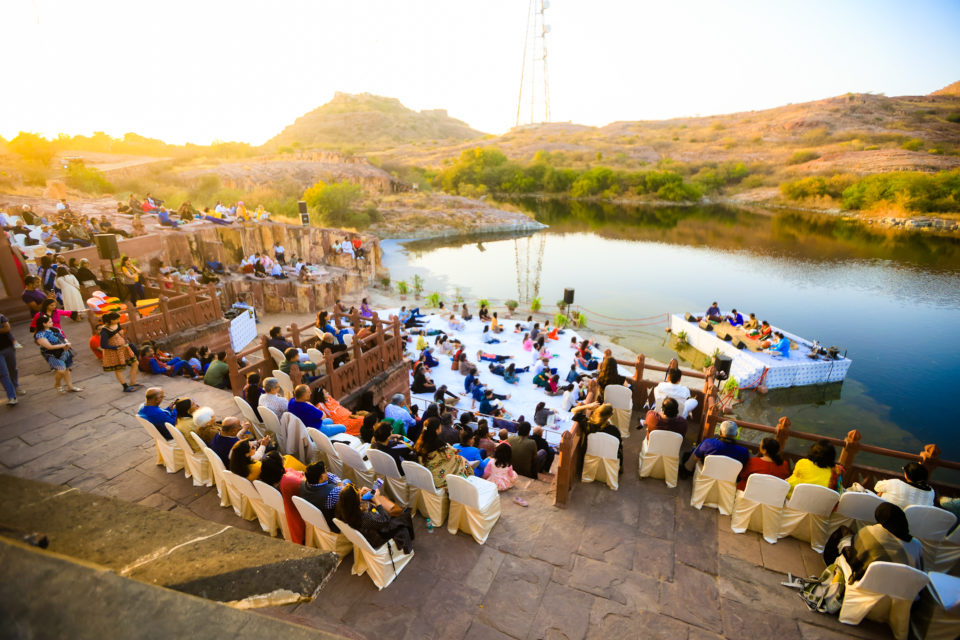
Sacred Spirit Festival earns its place by doing something very few festivals in India attempt, let alone sustain: slowing down. Set against the backdrop of Jodhpur, the festival has carved out a space that prioritizes spiritual, folk, and indigenous music traditions, creating an experience that feels intentional rather than overstimulating. What sets Sacred Spirit apart is its curatorial clarity. The focus isn’t on chasing trends or ticket-selling headliners, but on building a programme that foregrounds cultural exchange, heritage, and context. Performances feel rooted, often immersive, and closely tied to the setting, allowing audiences to engage with music that exists outside the mainstream festival circuit. Its ranking reflects both its strength and its specificity. Sacred Spirit is not designed to be everything to everyone, and that’s precisely why it works. By staying true to its ethos and audience, it has become one of the few Indian festivals where the experience extends beyond the stage, leaving a lasting impression that goes beyond a weekend of live sets. – P.H.
7. Mahindra Blues Festival
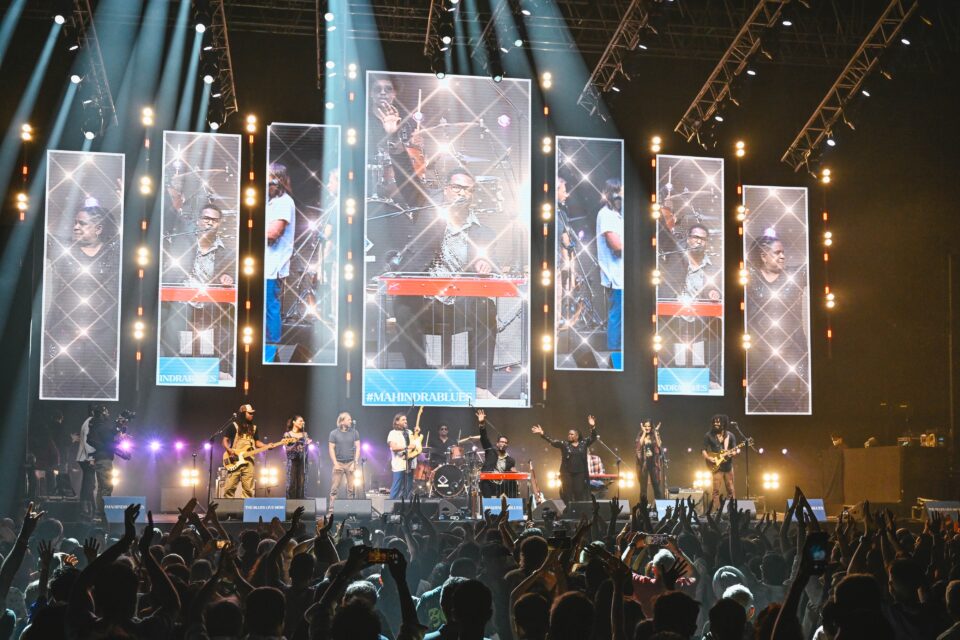
If the blues have a home in India, it’s the Mahindra Blues Festival at Mehboob Studios in Bandra, Mumbai. It’s really that specific, down to the venue and the locality, and not just the city, because Mahindra Blues has been doing this since 2011. From Buddy Guy to John Mayall, the Tedeschi Trucks Band, Keb Mo, and others, the 2026 edition brought back blues veterans like Shemekia Copeland and Eric Gales. Repeating acts could be a negative at most festivals, but with blues, you know you’re getting an electrifying performance every time, and the Mahindra Blues Festival seems to have cemented their audience on the basis of that, among other aspects like just running a well-organized and limited capacity event that’s meant for blues lovers. Along the way, they’ve even continued to spotlight Indian blues acts like Soulmate, Blackstratblues, Kanchan Daniel and Arinjoy Trio, who wouldn’t get a dedicated festival stage otherwise. – A.T.
6. RIFF
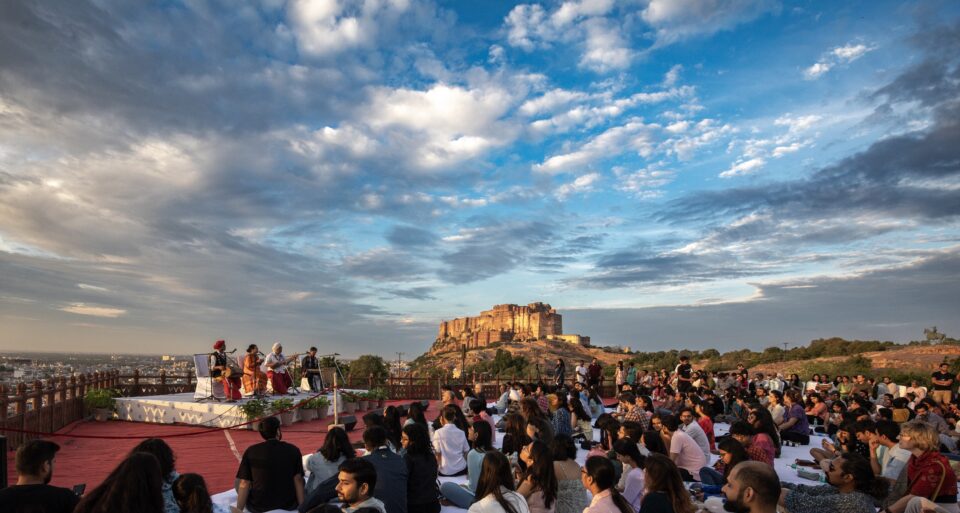
The Rajasthan International Folk Festival (RIFF) transforms the majestic Mehrangarh Fort in Jodhpur into a world-music cauldron, marrying centuries-old Rajasthani traditions with global sounds. Taking place during Sharad Purnima under full-moon skies, the festival welcomes folk ensembles, fusion groups, and international collaborators from far edges of the world into its stunning open-air courtyards. Workshops on instruments like the kamaicha and khartal sit alongside Kalbelia and Ghoomar dance performances, while its UNESCO recognition and Mick Jagger lore draw artists and audiences from around the world. A folk celebration with roots deep enough to touch every genre it embraces, its most standout moment is the RIFF Rustle, a one-of-a-kind, all-artist improvisational finale that feels completely electric. – S.J.
5. Echoes of Earth

Among Bengaluru’s mainstay music festivals, sustainability is in the DNA of Echoes of Earth, and that’s always been executed without compromise. From upcycled materials for stage design modeled on India’s wildlife, psychedelic art installations that mirror Burning Man, as well as workshops, film screenings, and plant-based food options, there’s been a consistent vision with Echoes that has been both intertwined with music and also existing alongside the performances from Indian and international artists. Often having a bent towards electronic artists as well as genre-agnostic acts, Echoes of Earth’s animal-backdrop stages have featured fungi-obsessed oddities like Modern Biology to Tuareg desert rock act Tinariwen, groovemasters in the Yussef Dayes Experience, Indo-American experimentalist Sid Sriram, and more. The electronic stage involves a walk deeper into the woods near Embassy International Riding School, making the experience of techno and house (among other styles) hypnotic and enveloping. – A.T.
4. Ziro Festival
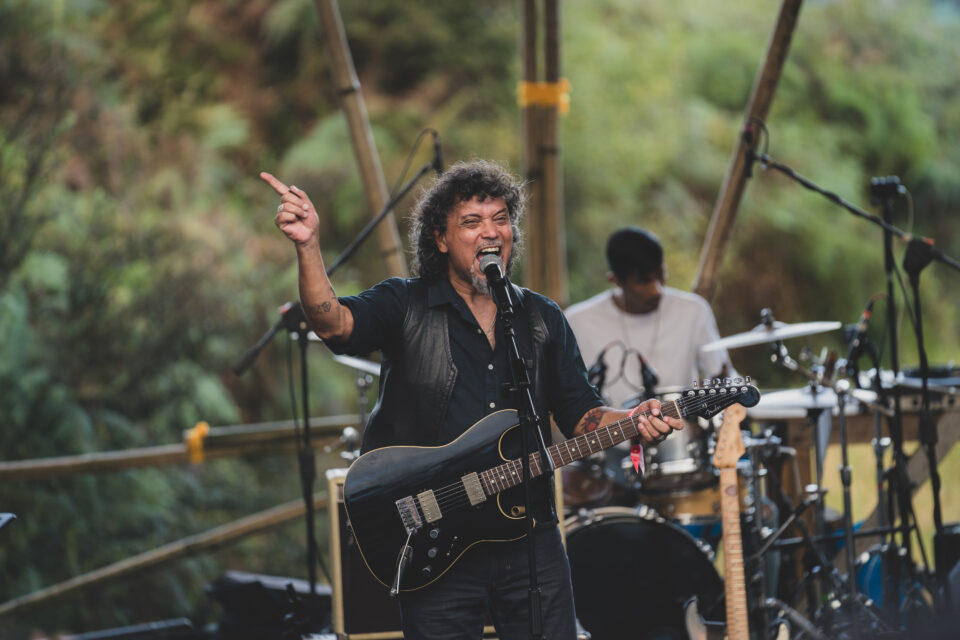
In action since 2012 in a verdant valley in Arunachal Pradesh, Ziro Festival is as much a showcase of emerging and established talent from Northeast India as it is for alternative acts from the rest of India and the world. Ziro Festival has been home to international artists ranging from post-rock giants Mono, guitar great Lee Ranaldo to rock experimentalist Damo Suzuki, mainstream hitmakers Kailasa, Lucky Ali, Farhan Akhtar and Shilpa Rao. The stages are built from bamboo, there are traditional folk dances to welcome attendees and ever so often, there’s rain, mist and fog that makes the festival grounds in the town of Biirii like no other music setting in the country. Home stays have grown, as have hotels and campsites, proving hod music festivals can support local economies even as Ziro carefully select their partners each year, making sure Ziro is a place you escape to, not just for the music. – A.T.
3. Bandland

Coming up to its third edition in February 2026, Bengaluru got a rock music festival it could call its own after long thanks to Bandland. Still experimenting with lineups that have ranged from Deep Purple to Avenged Sevenfold to The War on Drugs and soon, Muse and pop band Train, Bandland runs a tight ship when it comes to production, crowd management, and tasteful but not clichéd design. Setting realistic ambitions is key for any festival to survive, and Bandland seem to be doing just that. So far, it’s not been stuffed with brand activations, and that makes it a bit more unique, perhaps because it’s trying to build a home for everyone, from parents and their children to new listeners wanting to discover the diverse world of rock and metal. – A.T.
2. Magnetic Fields

Ranking as the runner-up, Magnetic Fields has earned its spot for being one of the most forward-thinking festivals to pop up in the country. One of those hush-and-wink secrets you just have to be part of to truly understand, the festival established itself as a sensorial, intuitive escape where underground electronic and avant-garde sounds collided with immersive art, virtual-reality escapes, and wellness sessions like breathwork and stargazing. Previously set against the backdrop of the 17th-century Alsisar Mahal, ravers lugged suitcases through sand dunes, stumbled into secret dungeon stages, floated through palace hallways at 4 AM, danced their way through the biting desert chill, and woke up to the sound of khartals and sarangis. Over its decade-long run, it has hosted artists like Four Tet, DJ Koze, Khruangbin, Young Marco, Peter Cat Recording Co., and Ahadadream, while also carving out space for Rajasthani folk collaborations. While it skipped this year’s edition, it’s now evolving into Magnetic Fields Nomads and is set to re-launch in February 2026 at a new Rajasthan site. And if its past curation is any indication, revellers can hopefully expect late-night raves done right, a lineup with taste, and an atmosphere that can’t really be manufactured. – S.J.
1. Lollapalooza India

Lollapalooza India sits at the top of this list because it represents a clear shift in how India is positioned within the global festival ecosystem. It isn’t just a franchise landing on Indian soil, but a large-format event that has proven, in real terms, that India can sustain international touring schedules, headline-level production, and multi-genre programming at scale. What sets it apart is consistency and intent. The festival understands exactly what it’s meant to be: a gateway between global touring circuits and Indian audiences that still makes room for domestic artists across stages and genres. Its curation balances pop, rock, electronic, and hip-hop without feeling scattered, and its production standards match what audiences expect from the Lollapalooza name globally. More importantly, Lollapalooza India has shifted perception. It has helped move India from being seen as an optional stop to a serious market within global touring conversations. In doing so, it has raised the bar not just for international-format festivals, but for the entire live music circuit that now operates around it. – P.H.