


Breaking and Entering: Inside Indian Hip-Hop’s Dance Battles
Hip Hop’s battles are taking place not just through diss tracks, but also on the dance floor. Pioneers of India’s underground hip-hop scene open up about the scene, its challenges, and the future they wish to leave behind.


Artwork by Sharanyaa Nair
The world watched in awe as the 2024 Olympics debuted its breakdancing segment. B-girls Ami Yuasa and Dominika Banevič transformed the dance floor into a battle arena, throwing a series of effortless yet precise counterattacks at each other. Beneath the explosive propeller kicks and kick spins, there was a distinct camaraderie between the contenders onstage, one that was forged in the underground world of hip-hop. Closer to home, Mumbai witnessed an electrifying moment, as MT Pop and T-Rai grooved it out to Punjabi MC’s revered “Mundian To Bach Ke” at Redbull India’s “Dance Your Style” 2024 Finale.
The dance floor has always been the beating heart of hip-hop, a cultural anchor that ties the scene together. Now, it is embedded into the gargantuan social media landscape — be it through music videos, viral challenges, or pop culture trends.
One of the most underrepresented aspects, breakdancing constitutes one of the five pillars of hip-hop, alongside MCing, knowledge, rapping, and graffiti. From being an underground collective to now an Olympic sport, it’s a socio-political tool that stands for freedom, identity, rebellion, and defiance of the norm.
Originating from the Seventies Bronx block parties, it became a form of protesting against systemic oppression. Tied to African-American roots, its styles contain cultural multitudes that intersect with queer and ballroom cultures. Some of the popular styles are: Krumping, Locking, Popping, House, Breaking, Voguing, and Waacking. Technique, creativity, and athleticism remain paramount in these cyphers. Sizing each other up through moves, they tune into the pulse of the beat, the roar of the applause, and the frenzy of the audience. These dance battles are pivotal to the essence of hip-hop culture. What started as a series of dance cyphers in select cities has transformed into global competitions, even from an Indian context.
The early 2000s saw the waacking scene emerge in Mumbai, just as India’s hip-hop wave swept over the country. A unique blend of street culture, folk identity, and rhythm, desi hip-hop became a platform for young Indians to express their socio-political realities through movement. Dance crews emerged in cities like Delhi, Mumbai, and Kolkata — most notably, Kings United, who bagged a bronze at the 2015 World Hip Hop Dance Championship. Today, the movement continues to grow. Red Bull’s Dance Your Style, launched in 2021, has become one of the most definitive platforms spotlighting India’s underground talent —culminating in the global finals being hosted in Mumbai in November 2024, where dancers from over 51 countries competed on one stage. These dance floors have become sanctuaries of authenticity and community, giving many the opportunity to take the culture forward one step at a time.
Everyone distinctly remembers their first brush with their dance destiny. For Boogie dancer Anish Mitra, aka Boogie LLB, it was watching the Chauu dancers perform during Durga Puja in his locality. Today, with smooth, hypnotic movements and a reptilian gait, he is a first-generation waver who has won accolades globally and locally. A winner of ‘India’s Best Dancer S3’ and RedBull ‘Dance Your Style’ East Side category, it’s hard to imagine the Kolkata native once shied away from taking centre stage, hiding among the crowd. Seasoned in boogaloo and popping, he conducts workshops across Europe. When asked about his moniker, Mitra responded: “It’s a combination of two aspects — my profession (law) and my passion (Boogie).”
Mitra’s metamorphosis transpired through watching performers like Boogie Frantick, Slim Boogie and Philip Chbeeb on YouTube. Though hip-hop dance wasn’t a commercial scene in Kolkata, cyphers kept it alive. “It was tough to trust ourselves as artists; we never had a source of validation for whether we were on the right track. Yet, everything was trial and error, making us stronger in the process,” he remarked.
With commercial workshops and mentors coming to other metro cities, dancers like Mitra took it upon themselves to find their own rhythm. From maidans to basements, they battled it out atop cardboard boxes as the music blared through car speaker systems at public parks. “Kolkata was tightly knit, with more crews than solo dancers,” he said. With time, the culture grew, with cypher sessions evolving to all-out crew and solo battles.
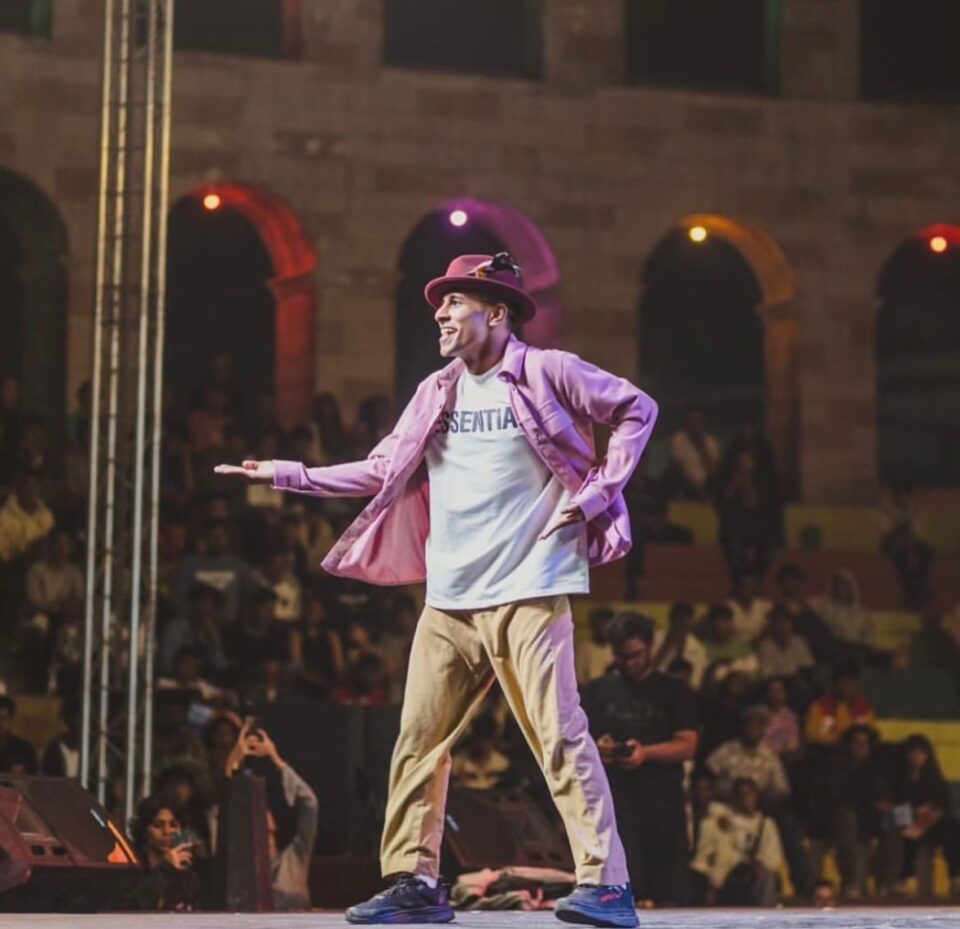
Apart from the grit, skillset, and fervor, surrender and failure are core tenets of the underground. Shedding the layers of doubt, fear, and inhibition, Mitra thrives in the novelty of learning something unexpected, not just about his opponent, but also himself. “One thing that I’ve already learned from underground events is trusting and believing in the moment. When we accept ourselves for the artist we are, we tend to move more freely without the fear of taking risks.” Inherently a sport, juggling losses and wins is also an everyday part of dancing: “As dancers, we’re also athletes — bouncing back from failures comes as second nature.”
Mitra also recounted how dauntingly unfamiliar the scene felt at the start. Understanding each city’s choreographic pulse was a challenge in itself. To add to that, learning from the best also meant going to other metropolitan cities. But that never dampened his spirit. Like an absorbent sponge, he soaked in the cultural iterations, forms, and styles with every sojourn, also making friends along the way. “One reaches a saturation point post-battling the same opponents and styles. New contenders, energy, and culture of fresher talents only help you grow further in your artistry.” He also noted the enormity with which the scene has evolved, so much so that dancers are being flown to international events as judges or even battle guests. “People are starting to understand dance as a culture, and even sponsors are getting attracted now. Yet, a lot of talent is still familiarizing themselves with commercial jargon, branded partnerships, social media, and brand deals.” As the popularization of hip-hop burgeons, he vouches for a holistic approach, one that collates the best of both worlds: “I personally want people to understand the fine line between commercial entertainment and keeping it ‘real’. The scene needs better orators, ones who don’t just describe the movement, but really speak for the essence of underground hip-hop.”
Smruti Swarup Patra, or Nextion, too grew up as an observer first, then a performer. Seeing his idols, dancers “Nepo” (Deepak Shahi) and “Addyction” (Adarsh Mishra), influenced his dance trajectory. In the beginning, familial support was dwindling. However, winning both reality TV formats (India’s Best Dancer Season 4) and an underground dance show (Redbull Dance Your Style) instilled hope and confidence in his parents. Originally from Bhubaneshwar, Patra was acquainted with cyphers and battles via Instagram. Along with homegrown dance battles, he also credits his growth to his discerning abilities. “Just watching the Hip-hop category is as enjoyable as competing for the winner title,” he says. “Underground dance battles teach you patience and growth. You get to exchange moves, aura, and ideas through such cyphers.”

Eagle-eyed about the current changes with social media and new talent, he alluded to the newcomers’ growing addiction to instant fame, success, and victory. “The kids need to set some realistic expectations. You’ve got to be consistent with your path to winning dances.” When asked to address the elephant in the room — dance content creators — he calmly responded, “At the end of the day, both are here to work and to prove something. Use your knowledge to better your skills, content, and reach rather than sticking your head in other creators’ business.”
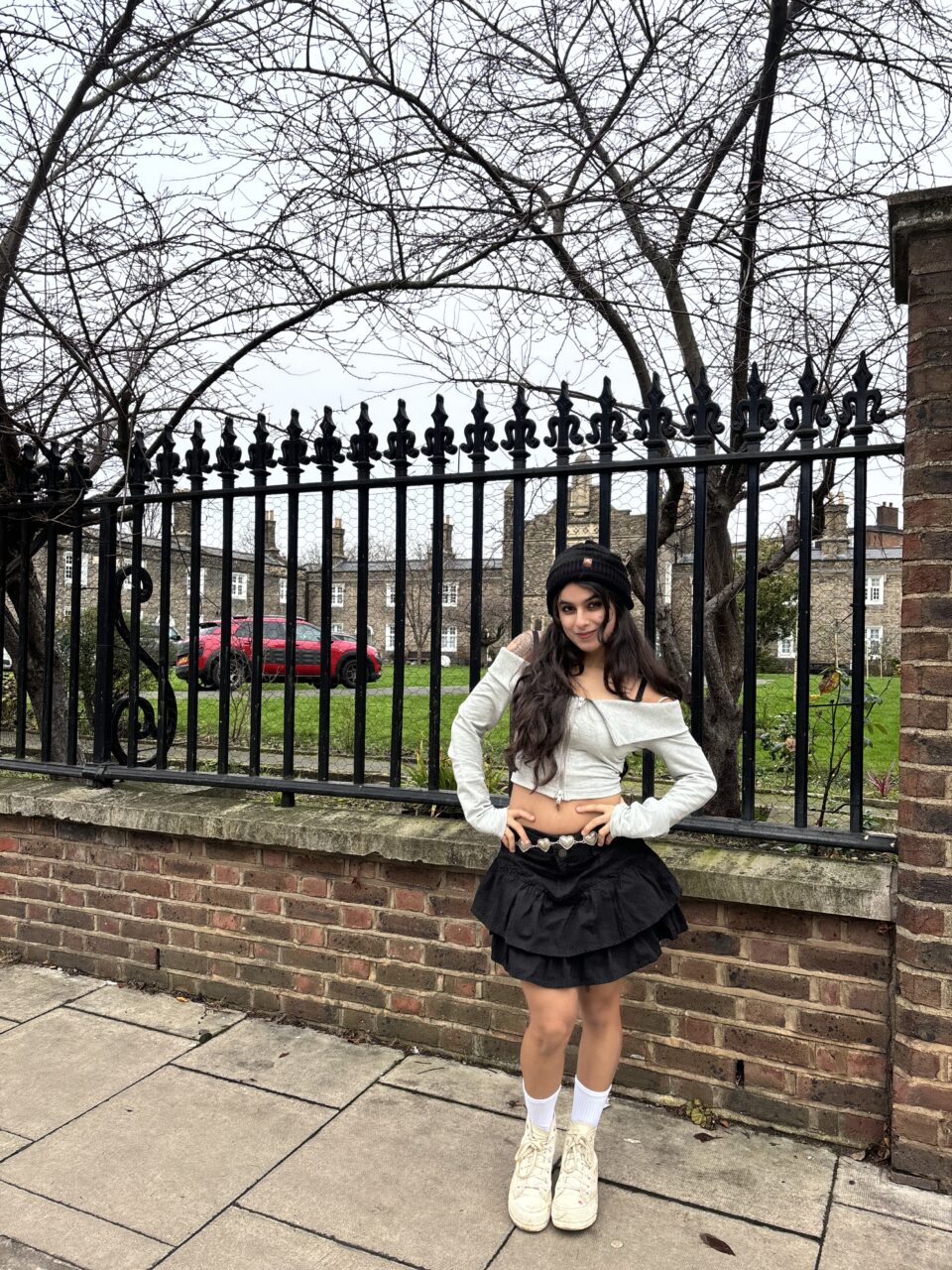
For Pratika Thakur, dance found a way into her heart in a High School Musical-esque style. Joining her high school’s dance crew at 16, Thakur found solace even amidst the gruelling, nine-hour daily sessions. It was also through these interactions that she got a taste of cyphers and dance battles. “We were building a culture where everybody, regardless of their background, came together on one dance floor.” A seasoned athlete, she approaches the technicalities with nuance: “People don’t understand how exhaustive and intense a sport dance is.” Pursuing an inherently competitive art form, Thakur candidly opened up about her own struggles. “Initially, I would have a tough time remembering steps. When your self-worth is attached to your performance, you’re doubly hard on yourself, even on the worst days.” On a larger scale, she’s no stranger to the qualms of career stability that dancers often face in India. “Older generations believe that dance is professionally limited to classical dances like Bharatanatyam and Kathak.”
Today, she trains professionally in jazz, ballet classics, and Hip-Hop, along with pursuing content creation. Her outlook on the current state of the Indian scene and social media, however, was skeptical. “I am not particularly happy about the recent workshop culture trend that has come about.” Apart from the hefty prices and crowded slots, she highlighted how it’s diluting hip-hop culture. “Choreographers are teaching routines based on trending songs and calling it ‘hip-hop.’ It started as a great thing, but now people are misusing it, in my opinion.”
Even amidst dance forms, a silent yet pertinent bias of heteronormativity exists. More underrepresented queer styles, such as Waacking and Voguing, are still not viewed through a lens of sincerity. Yet, that does not stop trailblazers like Sunil Bormahela.
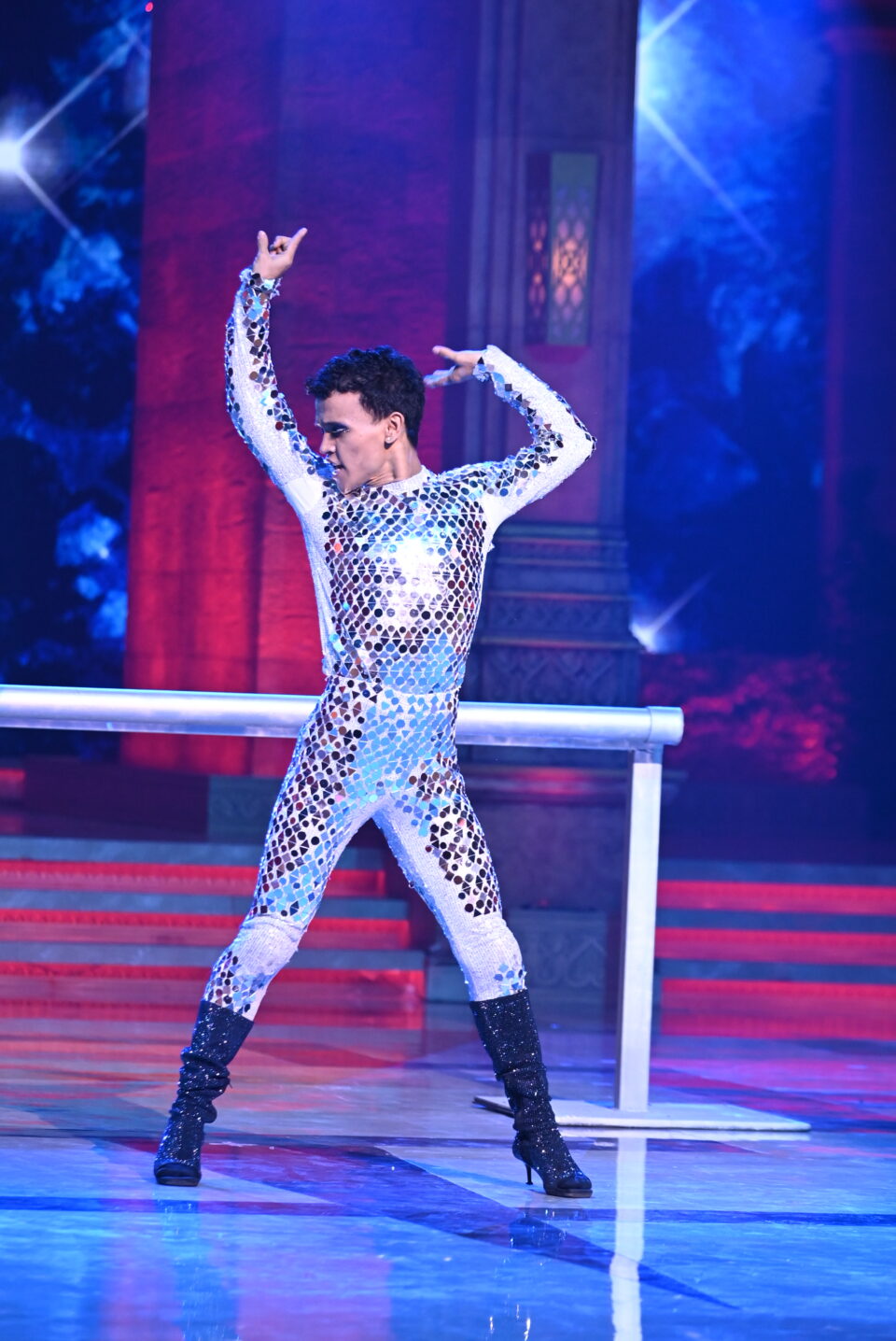
A 25-year-old Assamese dancer, choreographer, and model, he has not only represented waacking and voguing on Indian reality dance formats like Dance Deewane Season 4 but also concerts like Magnetic Fields. Having danced alongside hip-hop artists like Hanumankind and Dino James, Bormahela’s potential remains boundless. Queer solidarity and underground communities go way back, and he is quick to credit this camaraderie. “I still remember my first experience with dance battles in 2019 through Kala Ka Ilaka. Through such events, I got to discover myself through dance,” he says. Discussing his challenges with cis-het dance battles, he stated, “I always have to make all other cisgender underground dancers comfortable with my orientation, movement, and the way I carry myself.” Nonetheless, Bormahela remains optimistic about Waacking’s future. “In the beginning, there were very few Waackers in the underground scene. But now, for dance battles and jams, there is a designated category for forms like Waacking and Voguing too.”
Likewise, fellow Waacker Ayushi Amrute never had to seek inspiration; her maternal side of the family gave her enough fodder to fall in love with performing arts: “When Anjali from Kuch Kuch Hota Hai said, ‘Mujhe singing aur dancing ka bohot shauk hai,’ that was my mom’s side of the family, quite literally (laughs).” A waacker and host for Redbull’s Dance Your Style, her multi-hyphenate nature extends to content production too.
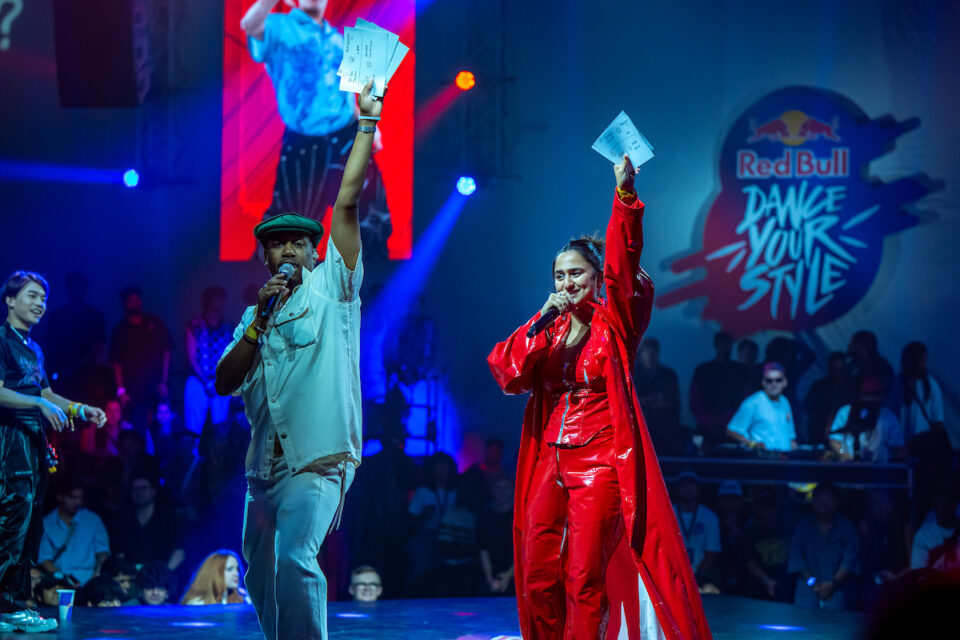
Being a waacker in a fairly male-dominated field, Amrute has seen the scene evolve into a diverse, inclusive space. “The challenge was people not taking the form seriously. It was often seen as a “feminine” dance style. In fact, it was never about being ‘feminine.’ These are queer-rooted dance forms, and even today, they’re often reduced to flashy visuals in a performance rather than being understood as expressions of identity and history. Only a few artists have been able to bring the art form to the mainstream platforms in its true form.”
Having been in the professional space as a performer and host, her eye also extends behind the screen. “While the soul of street dance will always live underground, mainstream platforms have started taking notice, especially in India. But they still heavily lean into emotion-led or over-produced storytelling. It often misses the honesty and grit of street styles.”
Familiar with the social media game, she urges dancers to utilize the platform for good, not just for business, but also to cultivate a long-standing identity. “It’s amazing how much time and energy we spend perfecting our craft. Years of training, commitment, and emotional investment. But I think it’s equally important for dancers to learn how to market themselves. You just have to find the right way to present your strengths, to be seen, and to be valued on your own terms. That shift alone could create a huge economic difference in the scene.”
In the same capacity, she urges brands and industries to set fairer systems in place, starting with timely compensation, communication, and humane rehearsal hours. “These dancers, like any other artists, deserve dignity, structure, and professional respect.”
Loyal to her roots, Amrute still finds her haven in the underground, away from the 30-second virality traps and mainstream proliferation. “The soul of that space is still sacred. The underground exists because people need a space to feel seen, to express, and connect. As long as people crave authenticity, it will always exist, maybe not in the same form, but definitely in spirit.”
Amidst the instant gratification wave, Amrute’s parting words offer comfort and clarity to aspiring artists: “Please take time to learn your basics. Spend time with real underground dancers. Go to jams. Show up at battles; it doesn’t matter if you win or lose. What matters is being in the right rooms, with the right people, and giving time to your craft.”


